




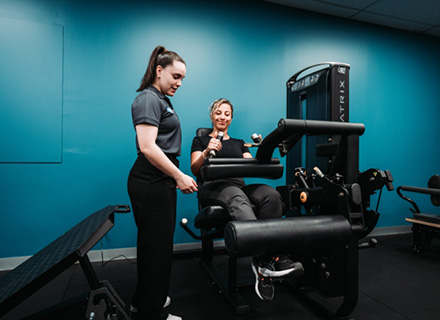
Physiotherapy Overview
Expert assessment and treatment of musculoskeletal injuries through 30-minute consultations, combining manual therapy, dry needling, and tailored exercises.
Learn More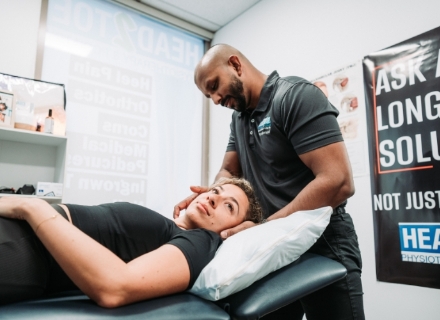
Manual Therapy
Hands-on joint mobilisation, stretching, and soft tissue techniques to ease stiffness, reduce pain, and restore natural movement and mobility.
Learn More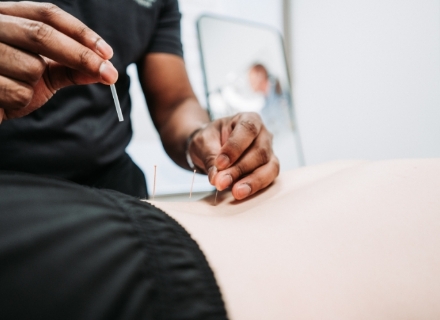
Dry Needling
Fine needles target muscle trigger points to release tight bands, improve blood flow, and ease back, neck, shoulder, knee, and tendon-related pain.
Learn More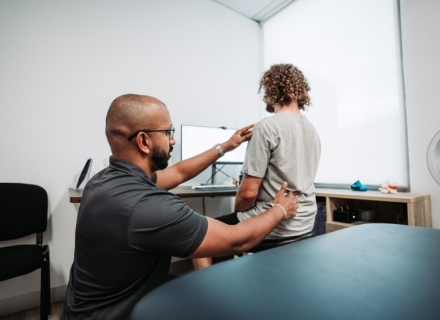
Ergonomics & Posture
Postural assessments, video feedback, and tailored exercises to correct alignment, prevent neck and back pain, and improve everyday movement efficiency.
Learn More
Paediatric Physiotherapy
Tailored care for growing children, treating sports injuries, growth-related conditions, and postural concerns to keep kids moving confidently and pain-free.
Learn More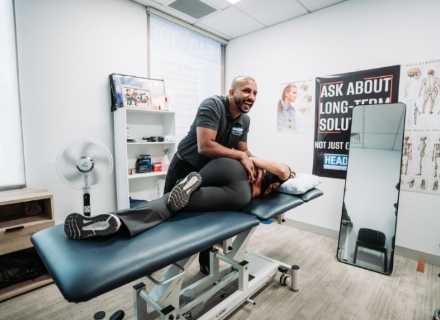
Mulligans
A hands-on mobilisation-with-movement technique that restores joint mechanics and instantly relieves pain in the spine, neck, shoulders, hips, knees, and ankles.
Learn More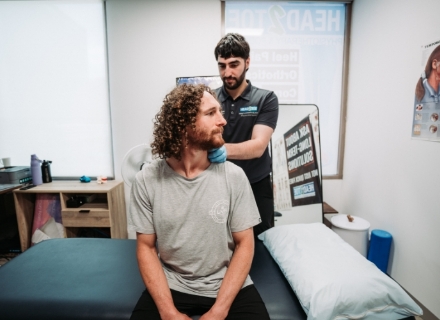
Mckenzies
An evidence-based method that pinpoints the mechanical cause of spinal pain and teaches targeted movements for lasting relief and confident self-management.
Learn MoreAt Head2Toe, physiotherapy is built on a simple idea: be minimalistic, be precise, and get results.
We don’t overload you with 12 exercises, complicated explanations, or generic “let’s see how it goes.” We focus on:
- Accurate assessment
- Clear explanation
- Targeted treatment
- A plan you can actually follow
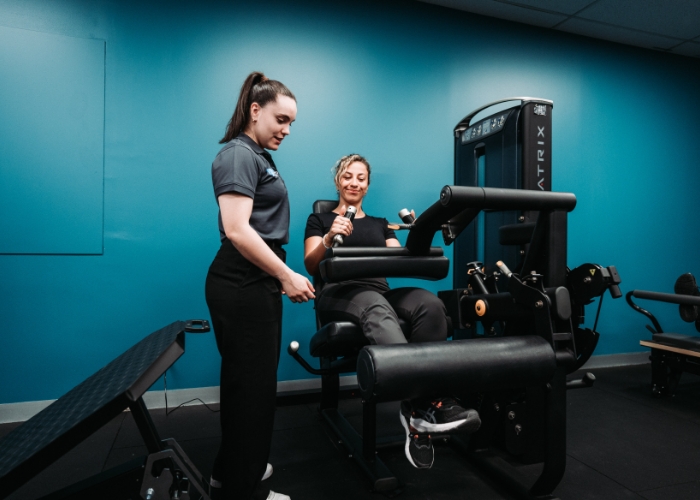
What is Physiotherapy?
Physiotherapy helps diagnose and treat pain, injury, and movement problems—so you can return to the activities you value, whether that’s work, sport, the gym, or simply walking and sleeping comfortably.
At Head2Toe, physiotherapy is not a cookie-cutter approach. We combine:
- Manual therapy (when it helps)
- Exercise prescription (when it changes the long-term outcome)
- Education and load management (to prevent recurrence)
- Objective reassessment (so progress is measurable)
When physiotherapy can help
You don’t need to be “broken” to see a physio. People commonly book with us for:
- Neck pain, headaches, jaw/TMJ pain
- Shoulder pain, rotator cuff and impingement symptoms
- Elbow pain (tennis/golfer’s elbow), wrist/hand pain
- Mid-back and rib pain
- Low back pain, sciatica, disc-related pain
- Hip pain, groin pain
- Knee pain, swelling, instability, post-op rehab
- Ankle sprains, Achilles pain, plantar heel pain
- Tendon pain (glute, hamstring, patellar, Achilles)
- Persistent pain that keeps returning
- “I’ve had scans but still don’t feel right”
Our Approach: Simple, Accurate, Effective (USP)
Our USP: We keep it simple—but accurate.
Many people have tried physio before and felt overwhelmed: too many exercises, conflicting opinions, and no clear direction.
Head2Toe is different. Our clinicians aim to:
- Identify the true driver of your symptoms
- Use effective treatment thats proven to create change
- Provide a simple plan you’ll actually stick to
- Reassess and refine—so you’re not guessing
In other words: targeted, not scattered.
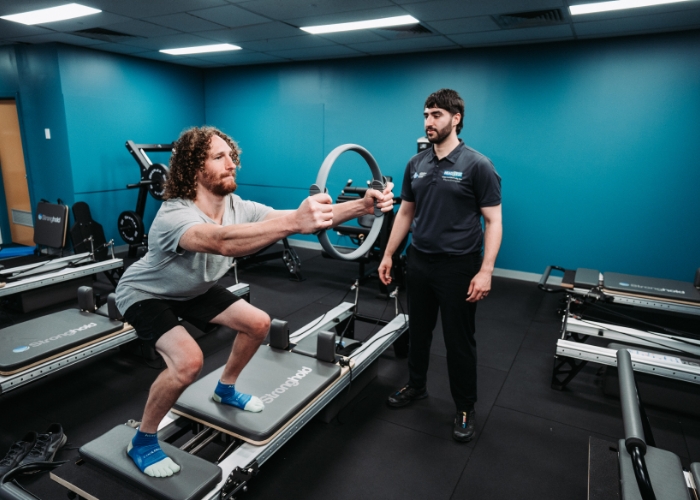
Post-Graduate Training & Clinical Frameworks
Advanced training that improves decision-making
Head2Toe clinicians invest heavily in post-graduate development because the difference is rarely a “magic technique”—it’s clinical reasoning.
Our physiotherapy is guided by widely respected frameworks, including:
McKenzie Method (MDT)
McKenzie Mechanical Diagnosis and Therapy (MDT) is a structured system for assessing and managing spinal and some extremity conditions. It helps us:
- Determine if your symptoms are mechanical and directionally responsive
- Identify patterns (e.g., referred pain, nerve-related symptoms)
- Build a self-management plan that reduces flare-ups and dependency
Mulligan Concept
Mulligan’s Concept combines manual techniques with movement to create immediate, meaningful change when appropriate. It can be particularly useful for:
- Pain with specific movements
- Restricted range of motion
- Rapid “return of function” while we build long-term capacity
Bottom line: These systems help us be more accurate and more consistent—so your care plan is clearer and progress is easier to track.

How We Treat It
Treatment that matches your diagnosis—not a menu of modalities
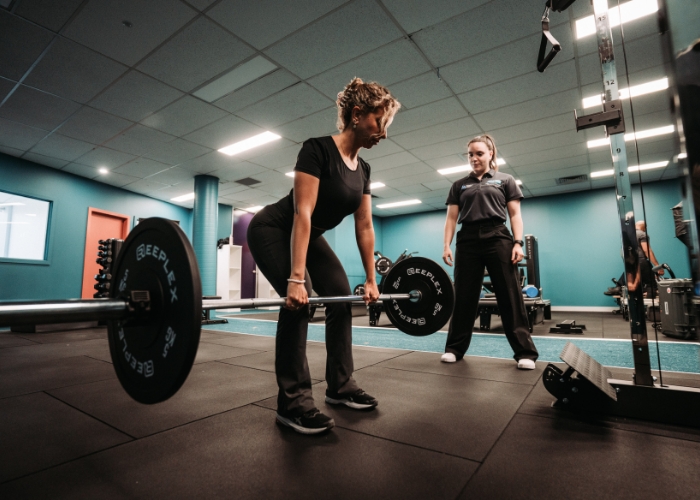
Your plan is based on your presentation, goals, and stage of injury (acute / subacute / persistent). Treatment may include:
- Targeted hands-on treatment (mobilisation/manipulation/soft tissue) when it helps
- Dry needling (when appropriate)
- Exercise therapy for strength, control, mobility, and endurance
- Load management and graded return to activity
- Ergonomic and work modification advice
- Education to reduce recurrence and build confidence
- Coordination with GPs, specialists, imaging, and coaches (as needed)
We’ll always explain why we’re doing something—and how it links to your outcome.
What to Expect in Your Appointment
Your first session: clarity first
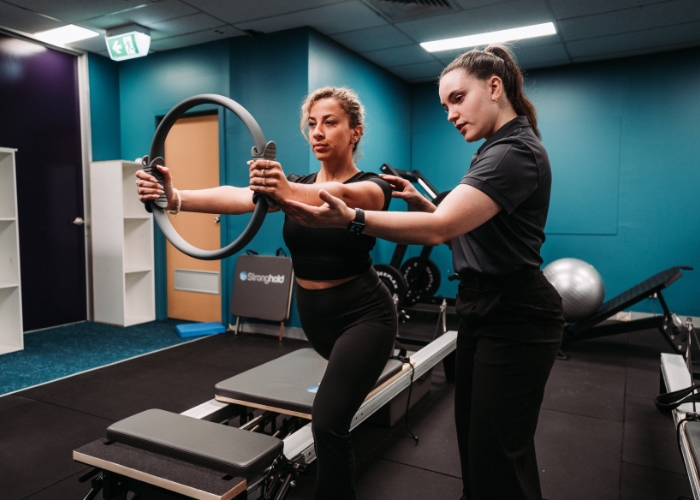
1) Thorough assessment
We take the time to understand:
- What started it, what’s aggravating it, what eases it
- Your training/work/lifestyle demands
- Key risk factors and red flags (when relevant)
2) Objective testing
We assess movement, strength, functional capacity, and any relevant neurological or joint testing.
3) Clear explanation and diagnosis
You’ll leave understanding:
- What we think is happening
- Why it’s happening
- What needs to change to fix it
4) Treatment + action plan
You’ll get:
- Treatment on the day (where appropriate)
- A simple home plan (the “minimum effective dose”)
- A plan for progression and check-ins
Frequently Asked Questions
Do I need a referral?
No—physiotherapists are first-contact practitioners. If you’re under EPC/CDM, WorkCover, TAC, or private health, we’ll guide you on the right steps.
How many sessions will I need?
It depends on the condition, duration, and your goals. We’ll outline a plan early and reassess regularly so your care stays efficient.
Do you do hands-on treatment or just exercises?
Both—when appropriate. We choose the right tool for the job. The goal is progress, not a “style” of physio.
What if I’ve tried physio before and it didn’t work?
Often it’s because the plan wasn’t targeted, progressed properly, or wasn’t matched to the driver of your symptoms. We aim for clarity, measurable progress, and realistic steps.
Do you treat sports injuries?
Yes, but we also treat everyday injuries and persistent pain. If sport is your goal, we can also provide structured Return to Sport programming.
Who We Help (Patient Types)
We regularly work with:
- Busy professionals with neck/back pain from desk work
- Gym-goers with shoulder, knee, and tendon pain
- Runners and field sport athletes
- Parents managing pain while caring for kids
- Older adults wanting to stay active and independent
- Post-operative patients (shoulder, knee, ankle)
- People with recurring pain who want a long-term solution



 42 Pascoe Vale Road, Moonee Ponds 3039