Oct. 20, 26
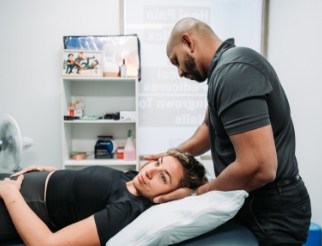
SIJ Pain or Lower Back Pain? How a Physio Assesses the Difference
Buttock or lower back pain can come from the SIJ, the spine or the hip. Here is how our physios tell them apart, and what treatment involves.
Learn More

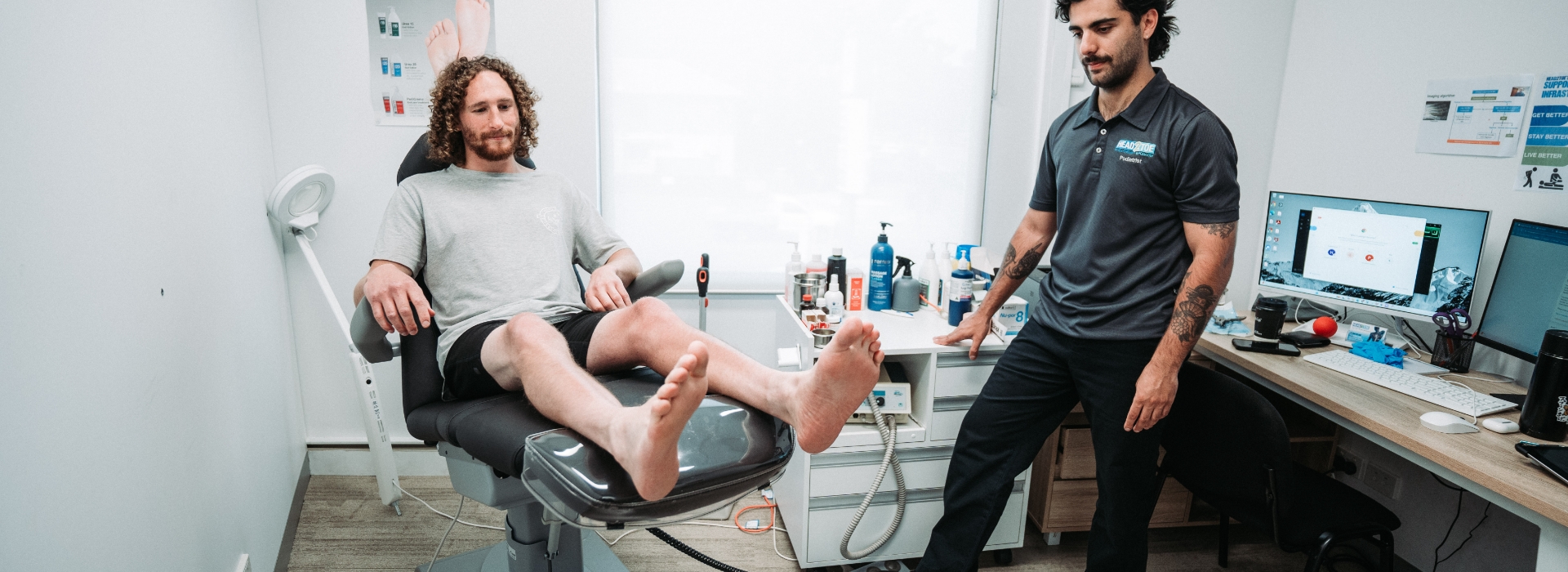








Living with diabetes means paying extra attention to your feet. Even small foot issues can turn into serious problems if left untreated. That’s why routine foot care is essential for anyone with diabetes.
Diabetes can affect the nerves and circulation in your feet, making it harder to feel injuries or heal properly. At Head2Toe, we understand these risks and provide expert diabetic foot care to help you stay safe, mobile, and confident on your feet.
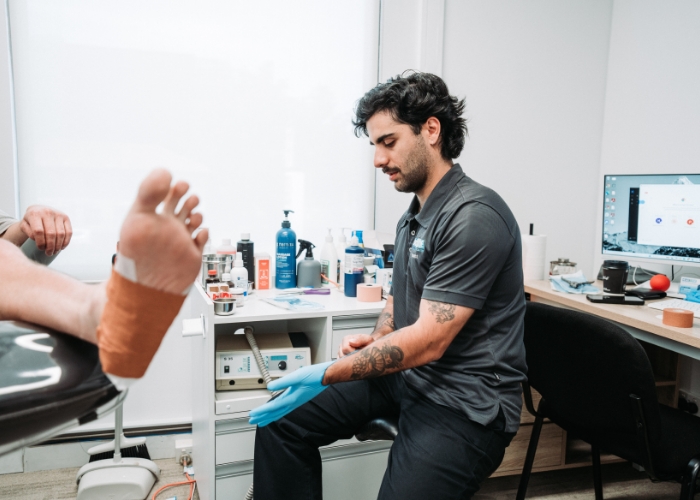
Diabetes can lead to:
Because of this, even a small problem like a blister or ingrown toenail can quickly become serious if not treated early.

Expert diabetic foot assessments with tailored care plans

Gentle, thorough treatment from experienced podiatrists

Patient monitoring dopplers, Sterilised instruments and a clinical environment for infection control

Collaboration with your GP or endocrinologist when needed

Support for NDIS and CDM (Medicare) patients

Convenient locations in Moonee Ponds and Brunswick

Trusted by diabetic patients and local doctors alike

Our treatment is designed to protect your feet, prevent complications, and keep you comfortable:
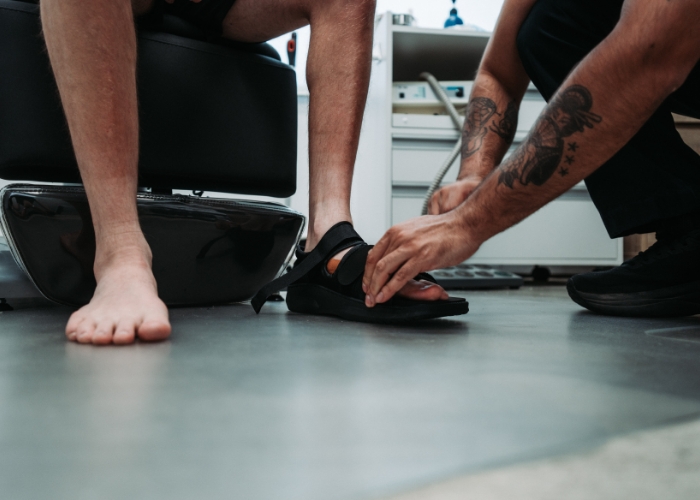
Your first visit includes a comprehensive assessment of your feet, nails, and circulation. We’ll:
If treatment or minor procedures are required, these are typically done in-clinic and pain-free.
We support a wide range of patients including:
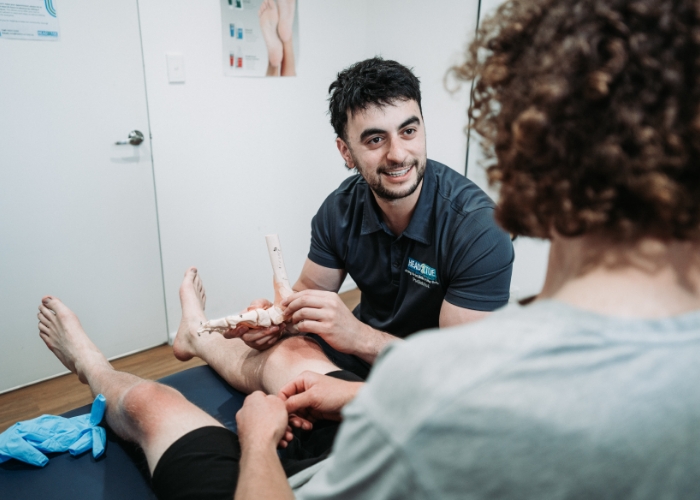
We recommend every 6–12 weeks depending on your risk level, which we’ll assess during your first appointment.
Yes! We support NDIS (Improved Daily Living) and Medicare CDM plans. Just ask us for help before your first visit.
Bring your medical history, any current medications, and wear shoes you normally use to help us assess pressure points.
No, our podiatrists use gentle techniques and explain every step to ensure you’re comfortable.
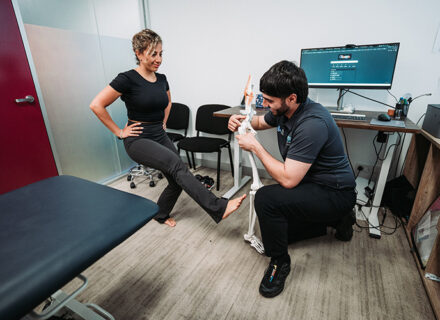
Buttock or lower back pain can come from the SIJ, the spine or the hip. Here is how our physios tell them apart, and what treatment involves.
Learn More
EPC plans (now called GP Chronic Condition Management Plans) give you up to 5 Medicare-subsidised physio or podiatry sessions each calendar year. Here's how they work at Head2Toe — eligibility, how the calendar-year allocation and carry-over rules work, claiming through Tyro, and answers to the most common questions.
Learn More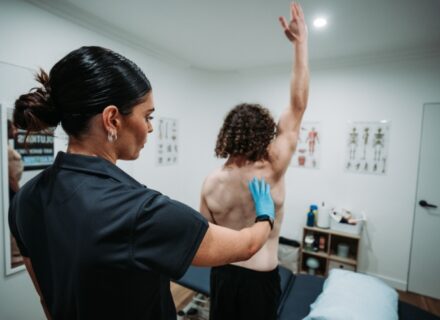
A physio’s guide to frozen shoulder (adhesive capsulitis) – symptoms, causes, the 3 stages, how long it lasts and treatment options.
Learn More
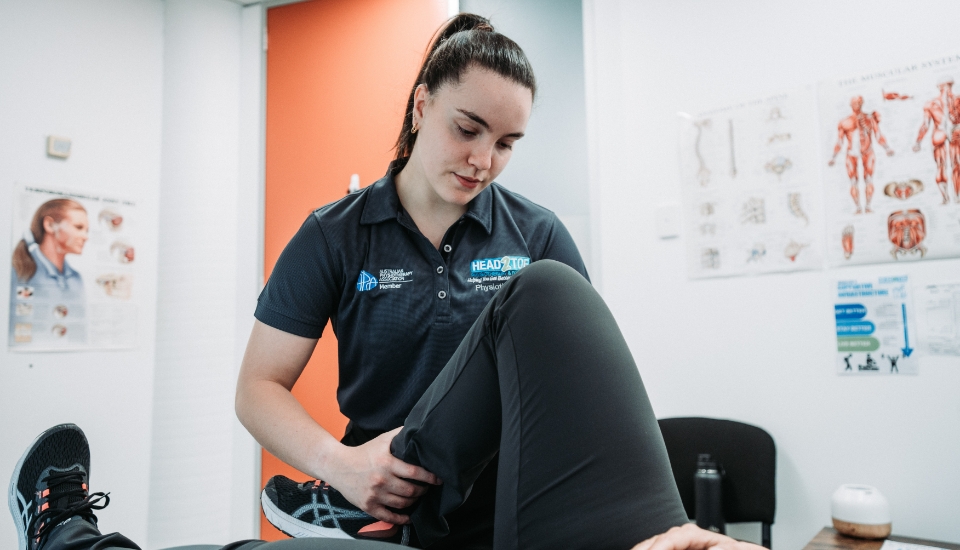
Physiotherapy is the assessment, diagnosis and treatment of musculoskeletal injuries. Some of the conditions we treat in Melbourne include:
Error: No feed with the ID 3 found.
Please go to the Instagram Feed settings page to create a feed.


 42 Pascoe Vale Road, Moonee Ponds 3039
Suite 1, Level 1, 30 Sydney Road Brunswick Victoria 3056 Australia
1407 Burke Road, Kew 3102