Aug. 22, 26
5 Common Running Injuries and How Sports Physiotherapy Keeps You on Track
Training for a marathon or chasing a new personal best, only to be sidelined by ...
Learn More

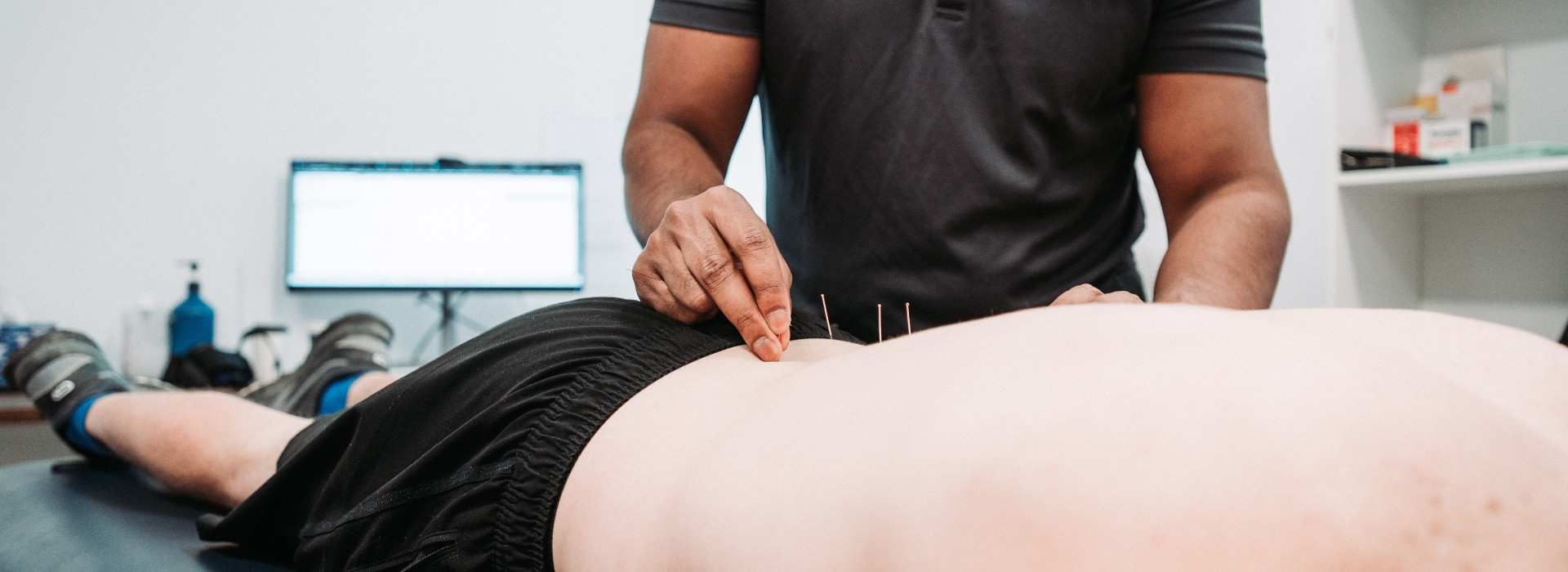








Dry Needling is a treatment modality used by trained physiotherapists and podiatrists that involves inserting a thin filament acupuncture needle into soft tissue trigger points. This allows for a release in the tight bands of muscle and improve blood flow; helping to reduce muscle tension, relieve pain, and improve movements.
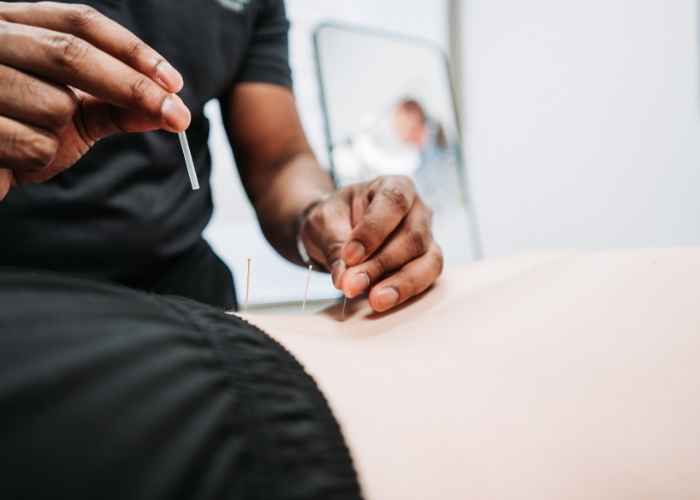
The evidence base for acupuncture or dry needling in various areas of physiotherapy, has increased substantially over the past decade. In particular, research has grown to provide evidence-based support in the treatment of
The needle used is very thin (up to 10 times thinner than one used for an injection) and most people do not feel the needle pass the skin. Generally only an ache will be felt while the needle is in place.
Are there any side effects to Dry Needling?
Side effects may vary among individuals. Typically, only mild muscle soreness or skin bruising.
Your clinician will run through any contraindications, side effects, or personal concerns, to ensure you are an appropriate candidate for dry needling. Dry Needling does not need to be done as we have alternate treatment modalities if it is deemed not appropriate for you.
Dry needling at Head2Toe is a useful adjunct of physiotherapy treatment. If you and your practitioner choose to use it, it will be used alongside other techniques such as mobilisation, massage, and prescribed exercises. If Dry needling is of interest to you as apart of your physiotherapy or podiatry care, please mention it to our reception staff upon booking, as not all practitioners at Head2Toe use dry needling techniques as apart of their treatment repertoire.
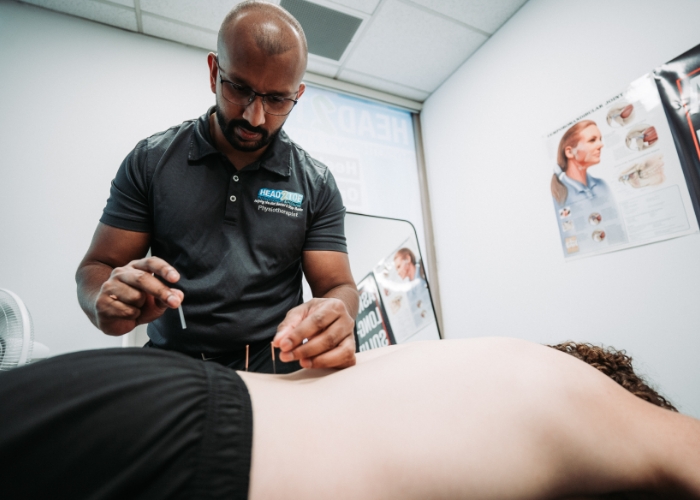
Dry Needling may be included as apart of your treatment plan, if indicated by your treating clinician. Further discussions between you and your physiotherapist or podiatrist are needed to determine if it is suitable.
Dry needling can benefit most people—from athletes and office workers to those recovering from injury or dealing with chronic pain.
It’s helpful for:
Always chat to your physiotherapist to see if dry needling is the right fit for you. It’s safe, targeted, and often part of a broader treatment plan that includes hands-on therapy and exercise.
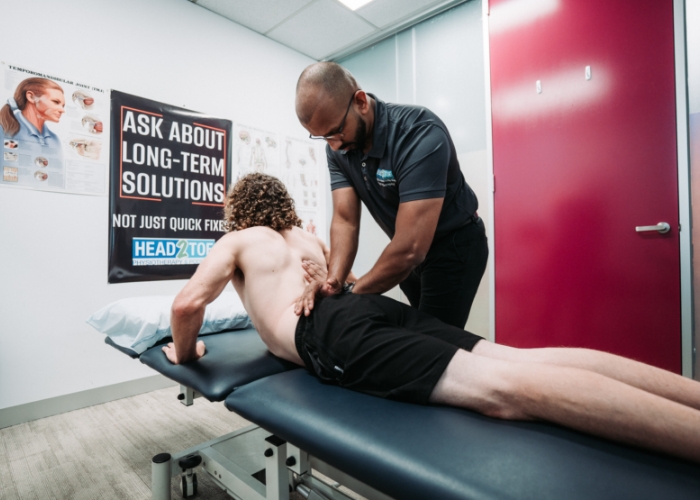
Dry needling is a treatment technique where fine, sterile needles are inserted into myofascial trigger points (tight or knotted muscles) to relieve pain, reduce muscle tension, and improve movement.
No. While both use similar needles, acupuncture is based on traditional Chinese medicine principles, while dry needling is grounded in Western anatomy and musculoskeletal science, targeting specific muscle dysfunction.
Most people feel a brief muscle twitch or cramp when the needle is inserted. Some report a dull ache or pressure. Soreness similar to post-exercise muscle fatigue may follow but usually resolves in 24–48 hours.
Dry needling is commonly used for muscle pain, tension headaches, sports injuries, tendon issues, neck and back pain, and conditions like sciatica or shoulder impingement.
Yes, when performed by a qualified practitioner. All needles are single-use and sterile. Minor side effects include bruising, fatigue, or mild soreness. Serious side effects are extremely rare.
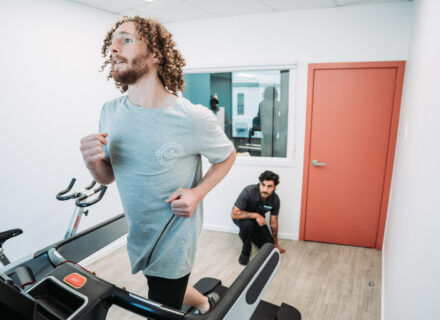
Training for a marathon or chasing a new personal best, only to be sidelined by ...
Learn More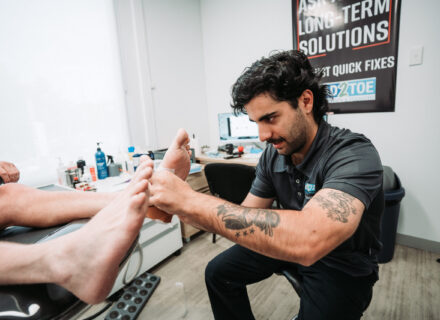
Many people ignore foot pain until it becomes serious. This can lead to long-term, complex ...
Learn More
What Is Neck Pain? How Common Is it? Neck pain includes discomfort, stiffness, or soreness ...
Learn More
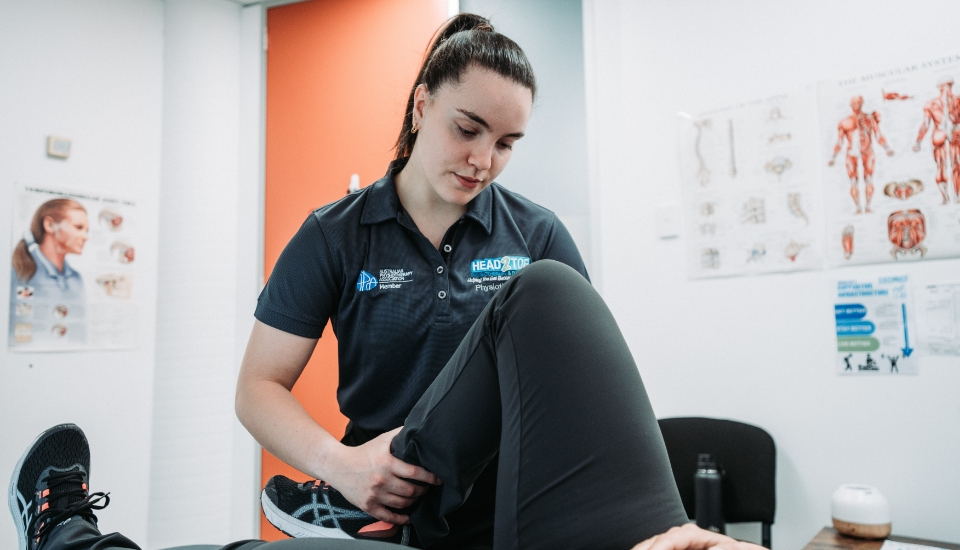
Physiotherapy is the assessment, diagnosis and treatment of musculoskeletal injuries. Some of the conditions we treat in Melbourne include:


 42 Pascoe Vale Road, Moonee Ponds 3039
Suite 1, Level 1, 30 Sydney Road Brunswick Victoria 3056 Australia
1407 Burke Road, Kew 3102
42 Pascoe Vale Road, Moonee Ponds 3039
Suite 1, Level 1, 30 Sydney Road Brunswick Victoria 3056 Australia
1407 Burke Road, Kew 3102