medicare
bupa
members-choice-advantage_cmyk
hcf-more-for-muscles
hcf-more-for-feet-podiatry-brisbane
nib-first-choice

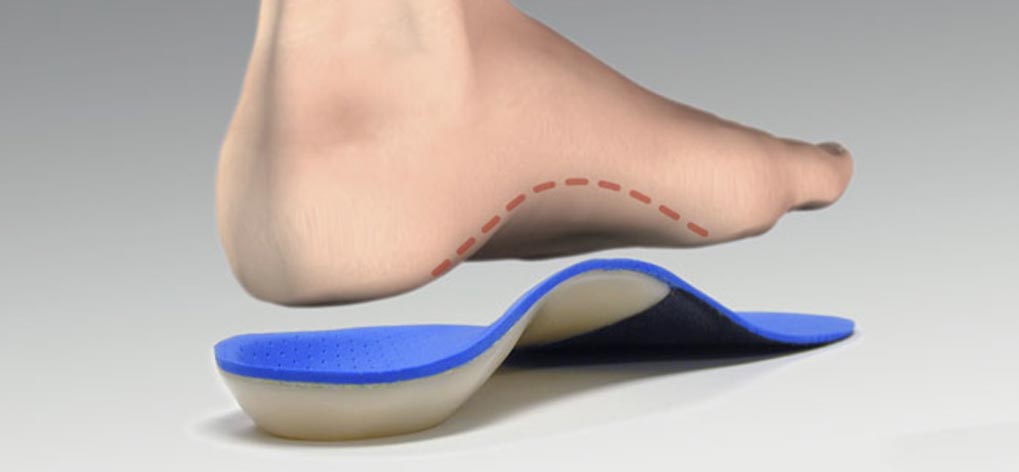
Orthotics are custom-designed or pre-fabricated medical devices inserted into your footwear to correct abnormal foot biomechanics and relieve pain during standing, walking, or running. These devices are commonly used to treat a wide range of musculoskeletal and biomechanical conditions affecting the feet, ankles, knees, hips, and lower back.

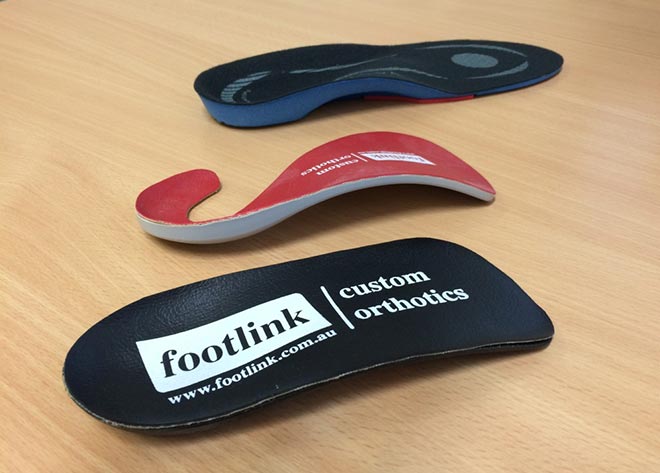
Made from various materials—such as EVA, carbon fibre, polypropylene, or soft cushioning foams—orthotics are tailored to suit individual needs. Each material plays a specific role: for example, firmer materials offer structural correction and durability, while softer layers provide cushioning and shock absorption.

Modifications such as medial heel skives, inverted devices, arch fill, and forefoot postings are applied depending on your gait and pathology. These adjustments influence force dispersion, offloading specific areas to reduce pain, and improve alignment across the kinetic chain.

If you would like to learn more, book a consultation for orthotics at our Moonee Ponds clinic today.

orthotic-1

Common Signs and Symptoms

Orthotic intervention is commonly prescribed for patients experiencing:

  • Heel pain (e.g., plantar fasciitis)
  • Ankle instability or pain
  • Arch collapse or discomfort
  • First toe joint pain
  • Pressure-related pain or calluses
  • Hip, knee, or lower back pain
  • Leg length discrepancies
  • Recurrent corns or foot ulcerations (especially in diabetic patients)

Causes / Why It Happens

Abnormal gait patterns, poor footwear, repetitive stress, or structural abnormalities can lead to biomechanical dysfunction. Orthotics aim to:

  • Offload high-pressure areas
  • Redistribute forces during movement
  • Support natural foot posture
  • Correct alignment issues (e.g., overpronation, supination)
  • Reduce muscle and tendon strain
  • Improve overall limb function and joint mechanics

For instance, offloading the plantar fascia with orthotics can relieve tension, reduce inflammation, and facilitate healing in cases of plantar fasciitis. Similarly, addressing leg length discrepancies can alleviate compensatory hip and back pain.

Why Choose Head2Toe?

At Head2Toe, we offer a comprehensive and patient-centred approach to orthotic therapy:

Expert-led biomechanical assessments

Expert-led biomechanical assessments

Advanced 3D foot scanning technology

Advanced 3D foot scanning technology

custom orthotic fabrication

High-precision custom orthotic fabrication

Orthotics

Close collaboration with physiotherapists for full lower limb rehabilitation

Orthotics

Modifications performed in-house to ensure exact fit and function

We don’t just prescribe orthotics—we fine-tune every detail, including grinding edges, adjusting depths, and reshaping devices to ensure comfort and precision.

how-treat-bg

How We Treat It

Our Orthotic Treatment Process

  1. Initial Appointment
    A full biomechanical assessment is conducted, including a detailed history, gait analysis, joint mobility testing, and a 3D foot scan.
  2. Orthotic Design & Fabrication
    Your scan and clinical notes are sent to Footwork, one of Australia’s leading orthotic labs. Custom orthotics are designed with the required modifications based on your pathology and gait findings.
  3. Fitting Appointment
    Once received, we ensure the orthotic fits your footwear and foot perfectly. We make any necessary adjustments in-clinic to remove pressure points, add comfort, and ensure function.
  4. Review & Follow-up
    Follow-up appointments are essential to monitor progress, make further refinements, and ensure your orthotic continues to support your rehabilitation goals. These may be in conjunction with your physiotherapist or GP.
orthotic-3

What to Expect in Your Appointment

During your first consultation, you can expect:

  • A full biomechanical and gait analysis
  • Footwear assessment and advice
  • 3D scanning of your feet
  • Discussion of treatment goals and expected outcomes

Subsequent appointments include the fitting and fine-tuning of your orthotics to ensure optimal performance, comfort, and support. Ongoing reviews—typically every three months—allow us to assess your progress, address any changes in symptoms or activity levels, and make any necessary adjustments to enhance the effectiveness of your orthotics.

orthotic-3

Frequently Asked Questions

Do podiatrists recommend orthotics?

Yes. Podiatrists are trained to assess foot function and biomechanics, and frequently prescribe orthotics to manage a variety of conditions related to foot and lower limb alignment.

Are orthotics covered by Medicare in Australia?

Medicare does not currently cover the cost of orthotics. However, rebates may be available through private health insurance depending on your level of extras cover.

How much do orthotics cost from a podiatrist?

Custom orthotics typically range from $400–$600, including assessment, design, fitting, and review appointments. Pre-fabricated orthotics are a lower-cost alternative and may be appropriate in some cases.

What types of orthotics are available?

We offer:

  • Custom-made orthotics (fully personalised)
  • Semi-custom orthotics (modified pre-fabricated devices)
  • Sports-specific orthotics
  • Diabetic and accommodative orthotics
Do orthotics weaken foot muscles?

No. Orthotics support natural function and relieve stress on overworked muscles and joints. They work in conjunction with rehabilitation exercises to improve strength and balance.

Do orthotics change my foot shape permanently?

Orthotics influence posture and movement patterns but do not permanently alter the shape of your feet. However, long-term use can improve your overall alignment and reduce compensatory strain.

Highlight Patient Types

Orthotics are suitable for a wide range of people, including:

  • Children with foot development issues or recurring injuries
  • Diabetics with high-risk feet, ulcers, or pressure points
  • Athletes & Tradespeople who spend long hours on their feet
  • Seniors experiencing balance or mobility challenges
hightlight-patient-type

Latest Blogs

running injuries physio and podiatry
Aug. 22, 26

5 Common Running Injuries and How Sports Physiotherapy Keeps You on Track

Training for a marathon or chasing a new personal best, only to be sidelined by ...

Learn More
Podiatrist in Moonee Ponds , Brunswick and Kew
Mar. 31, 26

Ten Signs You Need To See A Podiatrist

Many people ignore foot pain until it becomes serious. This can lead to long-term, complex ...

Learn More
Ergonomic assessment for neck pain for office workers by physiotherapist.
Mar. 10, 26

How to relieve neck pain from sitting at a desk?

What Is Neck Pain? How Common Is it? Neck pain includes discomfort, stiffness, or soreness ...

Learn More
Head2Toe
4.8 star

Based on 200 reviews power by google

review us on google icon
pain-relife-program
google-review-section

What We Care For

Physiotherapy is the assessment, diagnosis and treatment of musculoskeletal injuries. Some of the conditions we treat in Melbourne include:

Contact Information
map-location
42 Pascoe Vale Road, Moonee Ponds 3039
map-location
Suite 1, Level 1, 30 Sydney Road Brunswick Victoria 3056 Australia
map-location
1407 Burke Road, Kew 3102

    Get In Touch

    Please provide your contact details (email or phone) as we cannot reply to emails coming via the website.