info@head2toe.com.au
  03 9326 0168

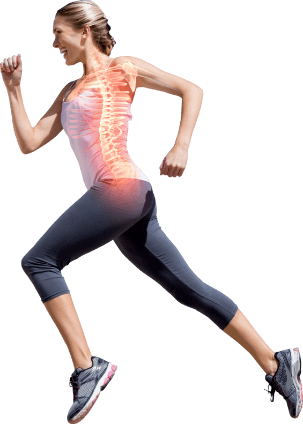


How Does Dry Needling Work?
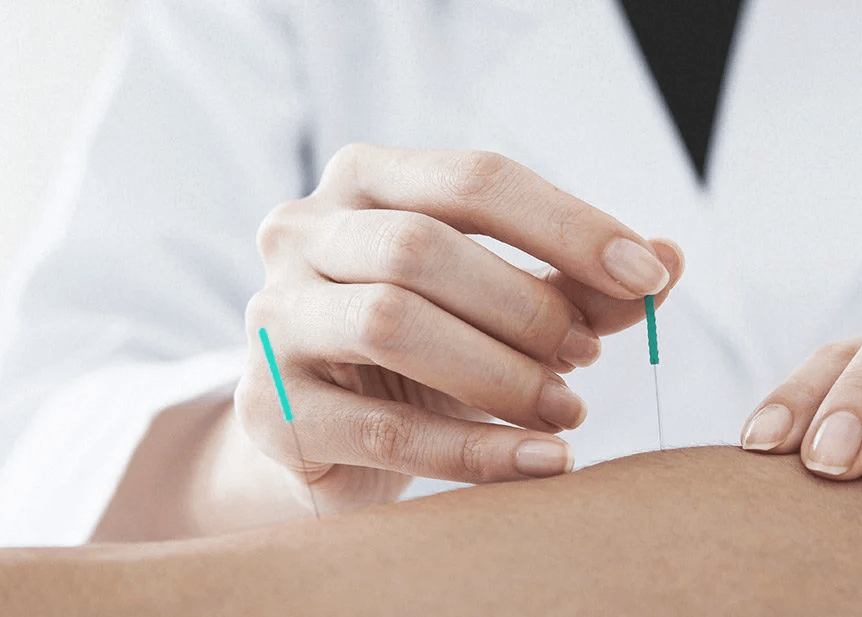
Many people want to know how does dry needlings work. Dry needling works by calming down tight and painful muscles. It does this by placing very thin sterile needles into muscles. When the needles are left in it causes the muscle to calm down. Some forms of dry needling also gently touch nerve endings to create a muscle twitch. This is an intended and safe way to stop muscles from being tight and causing pain and discomfort.
Does dry needling hurt?
Dry needling is mostly a pain-free technique. This is because the needles used are much thinner than the ones that take blood. They are 0.25 mm wide! So when the needle goes in you will barely feel a thing. Stronger techniques of dry needling can cause a muscle twitch to calm down a muscle effectively. This sensation is uncomfortable, but not painful, and only lasts 1 second.
Are there any risks to dry needling?
Dry needling when applied by a professional such as a physiotherapist and podiatrist have very little risk. Sterile single-use needles are used so there is no risk for infection. At most, you may experience residual treatment soreness which reduces after 12-24 hours, or a minor bruise around the needled area.
Needling also does not go deep enough to hit any structures like organs, arteries or deep nerves.
To learn more about dry needling check out this article:
https://www.physio-pedia.com/Dry_needling
What can dry needling help with?
Dry needling can help with various conditions. Whether it is neck pain, headaches, or lower back and knee pain, dry needling is a great way to reduce the pain caused by muscles. By calming down tight muscles it can create pain free movement.
To see how dry needling can help with neck stiffness check out this article:
Author: Mr Abdul Abdirahman
Physio Moonee Ponds