info@head2toe.com.au
  03 9326 0168

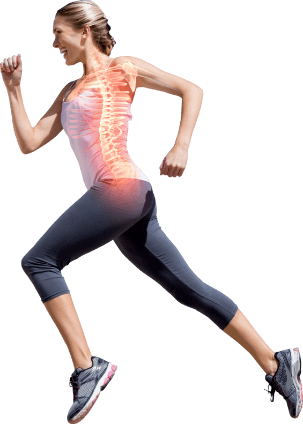


Why Does My Back Hurt? 15 most Common Causes Explained (and How Physiotherapy can Help)
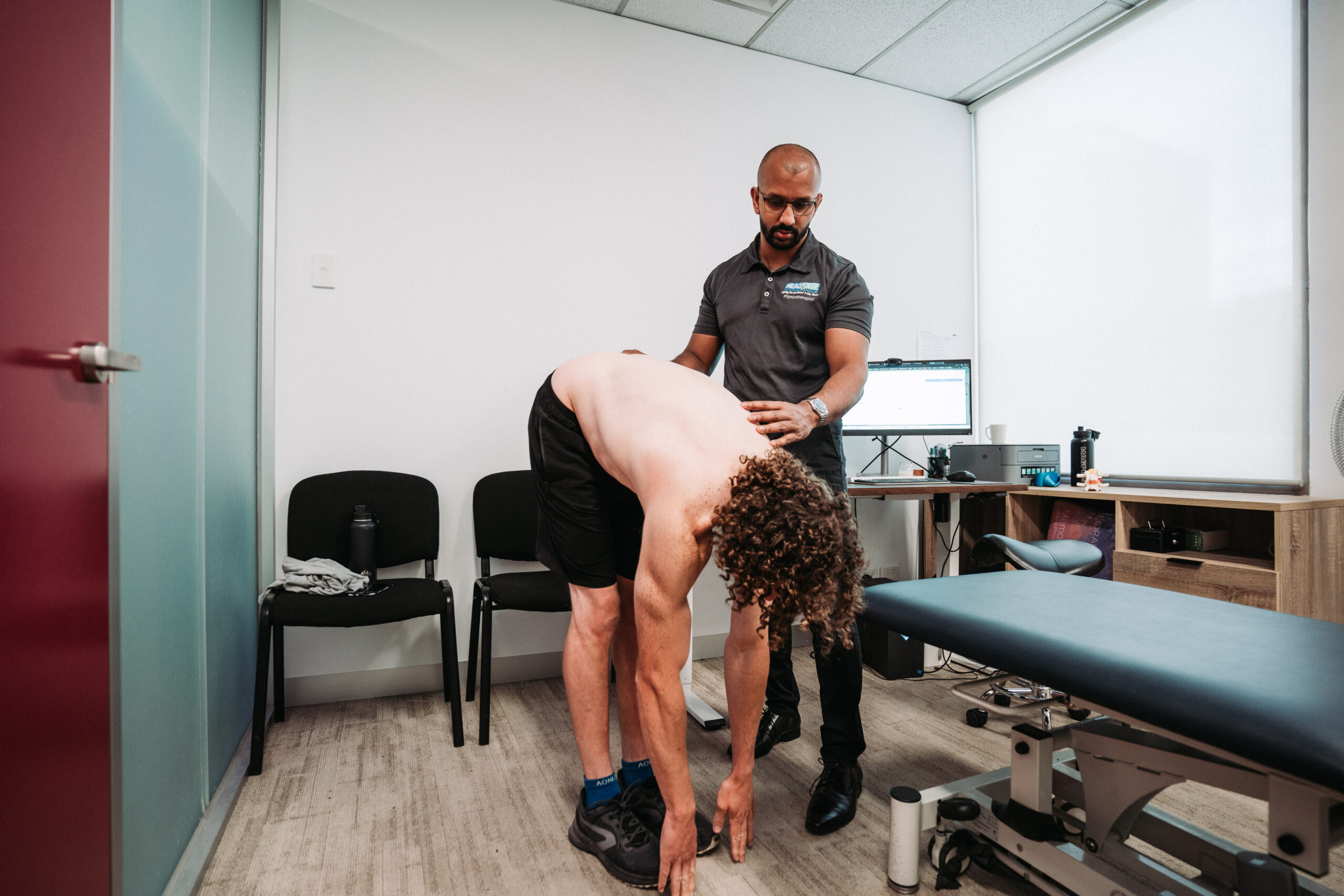
Back pain is discomfort that usually occurs from, muscles, joints, discs, ligaments or bones of the spine, usually caused by strain or stress rather than a serious condition (1). Back pain is one the most common reasons Australians find themselves visiting a physiotherapist, affecting all populations from desk workers to athletes. It can range from a dull ache after sitting for too long to sharp pain when bending or lifting. While back pain can be alarming, most cases stem from minor issue and respond well to the right combination of treatment, education and self-management.
At Hed2Toe Physiotherapy & Podiatry, Brunswick and Moonee Ponds we understand how back pain can disrupt your work, sleep and daily activities. Our goal is to help you understand why it happens and how you can go about it. This article explores 15 of the most common causes of back pain, from muscle strains and poor posture to disc issues and joint stiffness and explains how physiotherapy can help you recover as well as prevent it from reoccurring. Through identifying the cause and managing it early, you can get back to doing the things you enjoy, pain free!
Disc and nerve related causes:
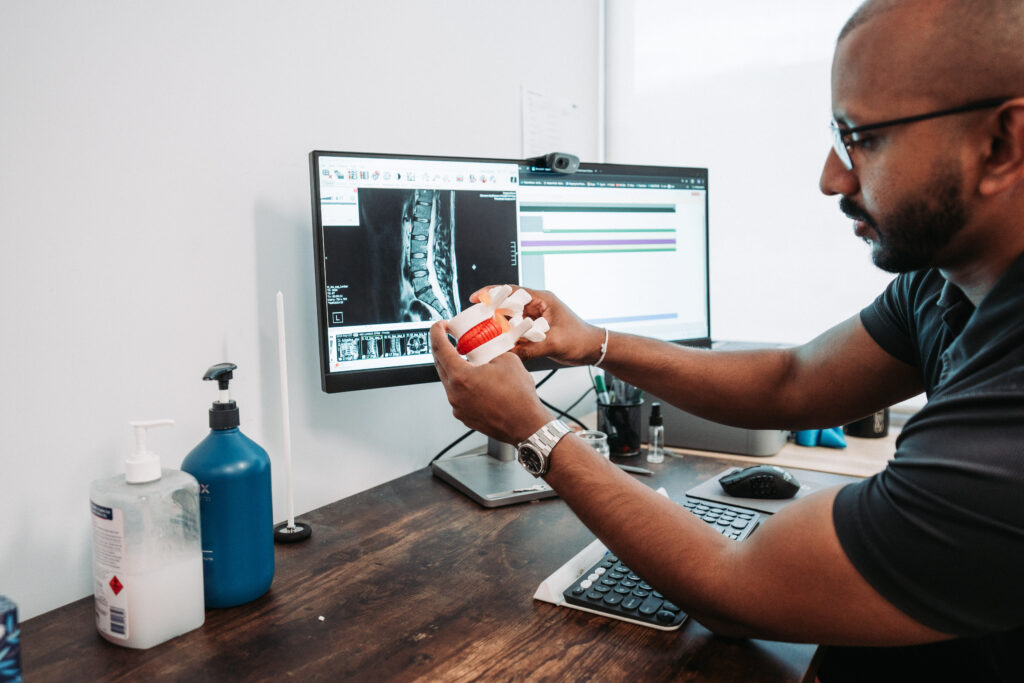
The discs and nerves of the spine are another common of back pain symptoms. Disc irritation or bulging is very common and often part of normal ageing, however can still cause pain when sensitive. Similarly, the facet joints – the small joints at the back of the spine can also become stiff or inflamed, leading to localised pain with twisting or leaning back. Sciatica develops when the sciatic nerve becomes irritated sending pain down the leg. Spinal stenosis (narrowing of the spinal canal) may cause pain when standing or walking and relief when bending forward.
Movement, Lifestyle & Activity factors:
Everyday habits and activity levels play a large role in back. Sudden movements can overload tissues and trigger acute pain. A sedentary lifestyle reduces muscle endurance making the spine more sensitive to load. Sporting injuries particularly from running, gym, work or high impact sports may irritate joints or soft tissues. Additionally, stress and muscle tension can increase tension through the neck and lower back, resulting in ongoing discomfort.
Age-related & medical causes:
Some back pain stems from age-related changes or underlying health conditions. Osteoarthritis can cause stiffness in the spinal joints, particularly in the morning. Osteoporosis may weaken the vertebrae and increase susceptibility to small compression fractures in older adults. Certain inflammatory conditions such as ankylosing spondylitis can lead to persistent morning stiffness that improves with movement and may require early medical assessment.
Common symptoms & Red flags
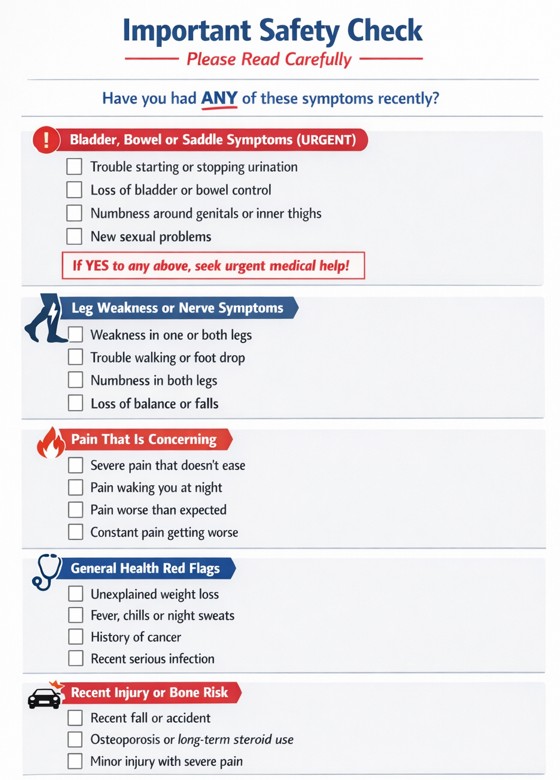
Understanding your symptoms can help distinguish typical back pain from signs that need urgent medical attention. Most back pain is mechanical in nature and improves with movement, activity changes and physiotherapy. However, it’s important to recognise when symptoms might indicate something more serious
Red flags that require immediate escalation to an emergency department include:
- > Bladder & Bowel Dysfunction
- > Reduced sensation around saddle
- > Sexual dysfunction
- > Lower limb strength or walking disturbance
- > Extreme/severe lower back pain
Common symptoms of Back Pain:
Back pain can present in various ways depending on structures involved. You may notice a dull ache, sharp pain during specific movements, or stiffness after periods of sitting or rest. Muscle related pain normally feels tight, crampy or sore to touch, while disc or nerve-related pain may cause radiating pain into the buttock, leg and even down to the feet. Some people notice pins and needles, numbness or weakness, suggesting nerve irritation. Other common symptoms include difficulty bending, twisting or standing for long periods.
When to Seek Medication Attention (Red Flags):
It’s important to be aware certain symptoms require prompt management. Seek medical help if your back pain is associated with loss of bowel or bladder control, progressive leg weakness, or numbness in the groin area – these may indicate cauda equina syndrome. Other red flags include unexplained weight loss, night sweats, sudden fevers or a history of cancer or malignancy. These do not automatically mean something serious is wrong, however do require timely investigation.
How Physiotherapy Helps Back Pain:
At head2Toe Physiotherapy & Podiatry, treatment is always individualised. No two people experience back pain in the same way, so no two treatments should be identical. Physiotherapy assesses movement, posture, lifestyle, strength and goals before coming up with a tailored plan using a combination of treatment methods including manual therapy, exercise, dry needling and clinical Pilates. These methods work together to reduce pain, restore movement and build long-term resilience.
Evidence based Treatment:
Exercise:
Research consistently shows that exercise is the most effective long-term treatment for back pain. Strengthening the core, glutes and spinal stabilisers reduce irritation, improves load tolerance and prevents recurrence. Research shows exercise provides the strongest and most reliable long-term improvements for both acute and chronic low back. Your physio at Head2Toe selects exercises based on your irritability, movement patterns and day-to-day demands, ensuringg your program is safe, progressive and achievable (2,3).
Education and reassurance:
Guidelines from the Australian Commission on Safety and Quality in Health Care and International best-practice models place emphasis on the importance of understanding your pain (4). Reassurance about normal healing timeframes, flare up management and activity pacing reduces fear and improves recovery outcomes. Clear education is often as powerful as a physical treatment
Manual Therapy:
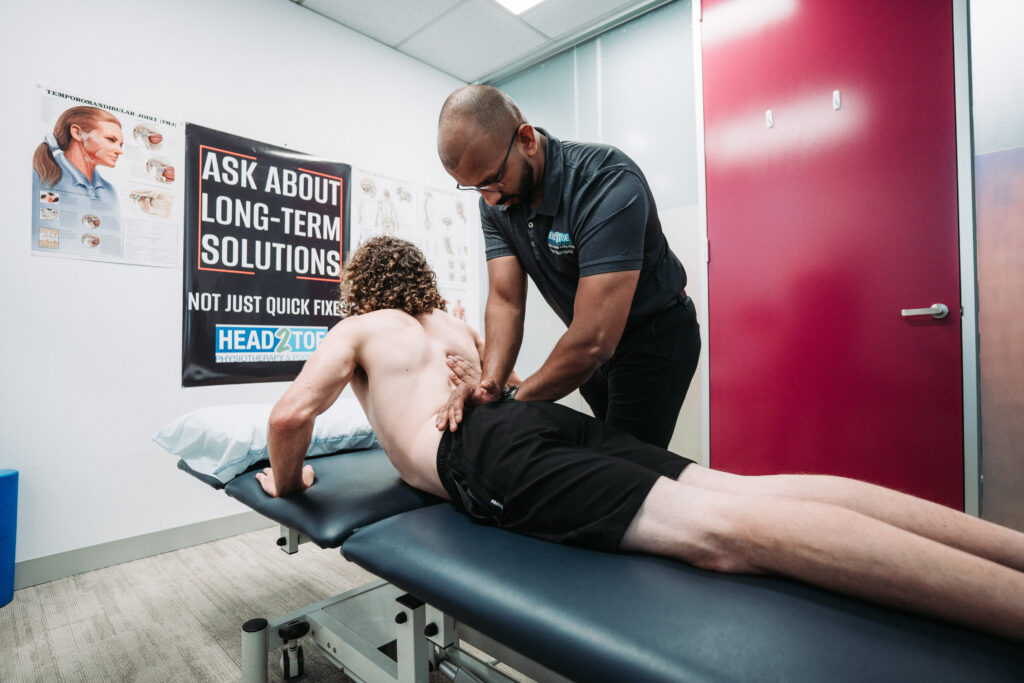
Manual therapy helps reduce pain and stiffness, improve movement and relax muscles. Manual therapy is most effective when combined with exercise. Your physio at Head2Toe may use techniques like joint mobilisations, soft tissue release, or gentle spinal manipulation to decrease sensitive and facilitate better movement.
Dry Needling:
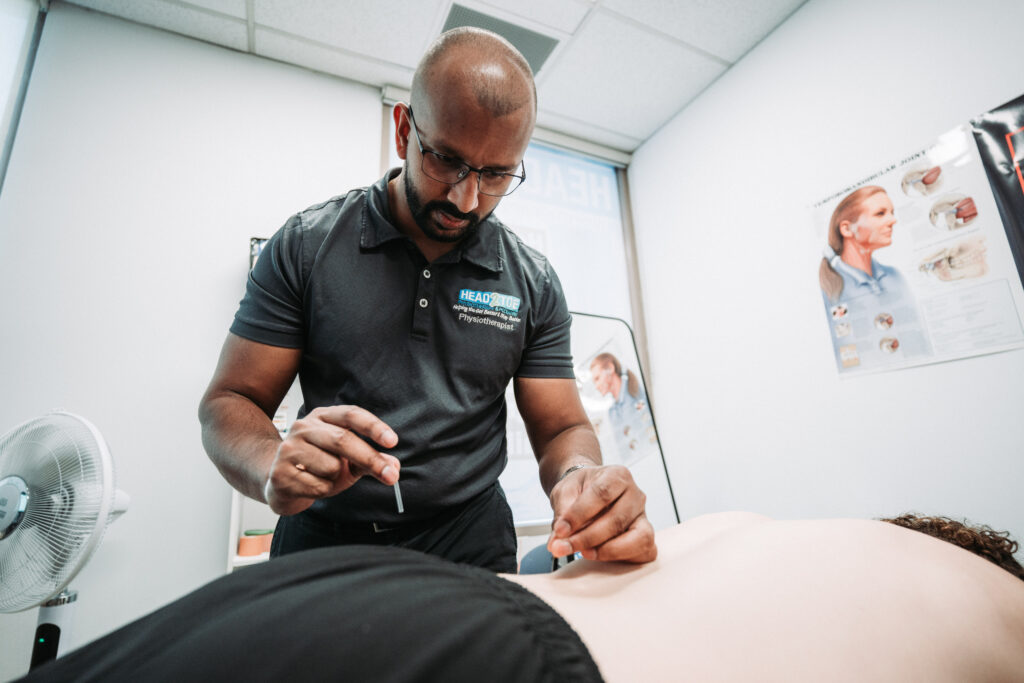
Dry needling can assist in reducing local muscle tension and improving blood flow. Studies suggest it provides short term relief and works best alongside other treatments like soft tissue release. Dry needling has a short-term analgesic effect in all body regions and may be of additional value to the interventions that are used to date in clinical practice (5). Dry needling is a great supportive tool for calming sensitive tissues so you can move more comfortably
Clinical Pilates
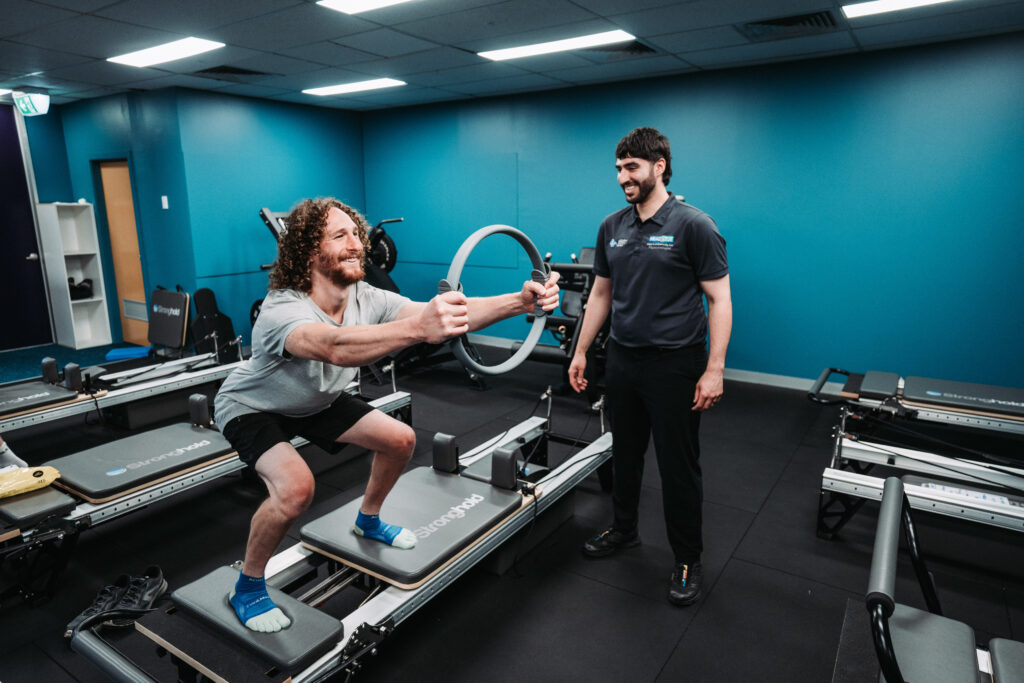
Clinical Pilates is particularly effective for motor control, posture and whole body conditioning. It strengthens deep stabilising muscles, improves movement patterns and supports return to functional activity. Evidence shows it is beneficial for persistent or recurrent back pain, especially when tailored and delivered by physiotherapists. A recent study found that Pilates can decrease low back pain compared to no exercise and non-specific exercise (6).
FAQ’s
What causes Back pain?
Back pain can come from many structures In the spine, including muscles, joints, discs and nerves. The common causes include muscle strain, poor posture, weak core glute muscles, disc irritation, stress-related tension and overuse from work or sport. Age related changes such as arthritis can contribute as well. Most back pain is mechanical, meaning it relates to movement habits rather than serious disease and usually responds well to physiotherapy.
Is Back pain a serious medical problem?
Most back pain is not a sign of a serious medical condition. It responds well to movement, exercise and physiotherapy. However, certain “red flags” symptom like uncontrolled bowel or bladder changes, unexplained weight loss, P+N in the saddle region require urgent medical assessment. For many people back pain is manageable, safe to move with and part of the normal healing process
What does Back pain feel like:
Back pain feels different for everyone. It may present as a dull ache, a sharp twinge, stiffness or tightness. Muscle related pain often feels sore or crampy, while disc or nerve irritation can cause a burning, shooting or tingling down the leg and even into the foot. Pain may worsen with bending, sitting or lifting and ease with gently movement. Understanding your specific pain pattern helps guide our treatment at Head2Toe physiotherapy.
When Should you See a Physiotherapist:
You should see a physiotherapist if your back pain is affecting your work, sleep, sport or daily activities or isn’t improving within a few days. A physiotherapist can help identify the underlying cause, reduce pain, restore mobility and give you a personalised plan to prevent the issue from returning. Early intervention is especially helpful for recurring flare ups, pain that travels into the buttock or down the leg or stiffness that keeps coming back. If you’re struggling with ongoing back pain, book an appointment with Head2Toe Physiotherapy today and start your recovery with a personalised treatment plan.
You should also seek physio support if you feel unsure about what movements are safe, if exercise makes your pain worse, or if you want guidance on returning to gym training or sport. Physiotherapists can provide hands-on treatment, targeted exercises and education to help you recover confidently and avoid long-term limitations. Contact us for more information about physiotherapist.
References:
- Chien JJ, Bajwa ZH. What is mechanical back pain and how best to treat it? Curr Pain Headache Rep. 2008;12(6):406–11. Available from: https://link.springer.com/article/10.1007%2Fs11916-008-0069-3
- Hayden JA, Ellis J, Ogilvie R, Malmivaara A, van Tulder MW. Exercise therapy for chronic low back pain. Cochrane Database Syst Rev. 2021;2021(10):CD009790. https://doi.org/10.1002/14651858.CD009790.pub2
- Zhou T, Salman D, McGregor AH. Recent clinical practice guidelines for the management of low back pain: a global comparison. BMC Musculoskelet Disord. 2024;25(1):344. https://doi.org/10.1186/s12891-024-07468-0
- Australian Commission on Safety and Quality in Health Care. Quality statement 2 – Acute pain assessment. In: Opioid Analgesic Stewardship: Acute Pain Clinical Care Standard [Internet]. 2022. Available from: https://www.safetyandquality.gov.au/standards/clinical-care-standards/opioid-analgesic-stewardship-acute-pain-clinical-care-standard/quality-statements/quality-statement-2-acute-pain-assessment
- Chys M, De Meulemeester K, De Greef I, Murillo C, Kindt W, Kouzouz Y, et al. Clinical effectiveness of dry needling in patients with musculoskeletal pain—An umbrella review. J Clin Med. 2023;12(3):1205. https://doi.org/10.3390/jcm12031205
- Patti A, Thornton JS, Giustino V, Drid P, Paoli A, Schulz JM, et al. Effectiveness of Pilates exercise on low back pain: a systematic review with meta-analysis. Disabil Rehabil. 2024;46(16):3535–48. https://doi.org/10.1080/09638288.2023.2251404