




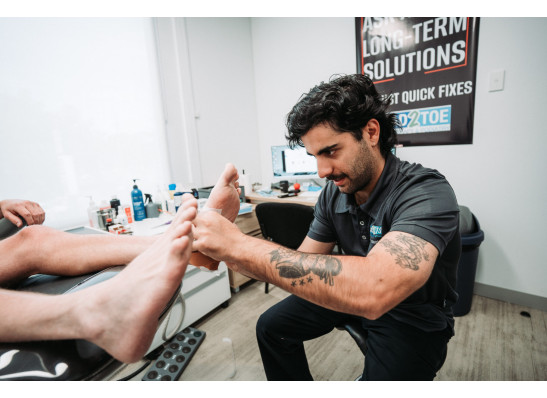
Many people ignore foot pain until it becomes serious. This can lead to long-term, complex issues that are difficult to treat. Early intervention by an appropriate health professional, such as a podiatrist, is important to ensure that small problems don’t become big ones.
Podiatrists are allied health professionals who work with various conditions of the foot and ankle. They can diagnose, treat and prevent injuries, structural changes, growths, and foot complications from diabetes. All podiatrists are registered with the Podiatry Board of Australia to ensure high standards of care are met.
Common conditions seen by podiatrists include:
- Ankle sprains
- Plantar fasciitis
- Flat feet
- Corns and warts
- Ingrown toenails
- Bunions
- Diabetes
Here at Head2Toe Physiotherapy & Podiatry (Brunswick & Moonee Ponds), our expert podiatrists are skilled in helping you get the care you need for your specific foot or ankle problem.
This article will outline 10 common signs of foot & ankle disorders, and will help you understand when to seek help from a Head2Toe podiatrist.
What causes foot and ankle conditions?
Issues with the foot and ankle can arise for a multitude of reasons, both biomechanical and preventable.
Infectious causes
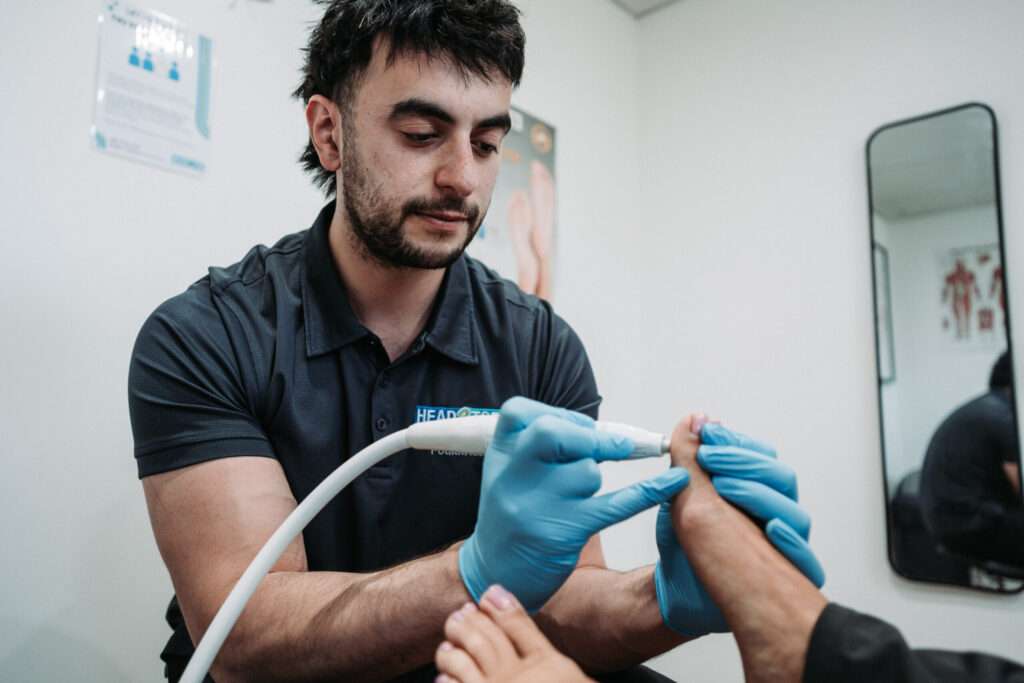
Infectious conditions of the foot can be caused by fungi, bacteria, or viruses. These conditions can include warts, athlete’s foot, fungal toenails, and cellulitis.
Many of these infections are picked up via contact with contaminated surfaces such as shower floors, pools, sharing towels, and skin-to-skin contact. Furthermore, factors that cause excess moisture in the foot region, such as poorly ventilated shoes and not drying the feet well, can also lead to bacterial or fungal conditions. Small cuts or cracks in the skin can act as entry points for bacteria1.
Structural causes
The foot can undergo many changes throughout your life, caused by various factors including ageing, inadequate footwear, or genetic factors.
Many people do not realise the impact that ill-fitting footwear has on their foot health. Shoes that are too narrow for your foot can cause changes such as ingrown toenails or a bunion, which is a painful bump on the base of the big toe2.
Furthermore, conditions such as flat feet or a collapsed arch can be caused by genetics, but also injury, ageing, or obesity3.
Diabetes
Diabetes is a chronic condition with a high prevalence in Australia. One of the complications of poorly managed diabetes is called Peripheral Artery Disease, a condition where blood flow is reduced in the hands and feet. In people with this condition, minor injuries such as blisters and cuts can have difficulty healing and become susceptible to infection4.
Injury
Podiatrists are skilled in treating injuries to the foot and ankle. As the feet absorb load and support your bodyweight all throughout the day, even small injuries can significantly impact your function and mobility.
Fractures can include both traumatic breaks, and stress fractures, where repetitive load puts stress on the bone. Sprains and strains occur when a muscle or ligament is damaged. And plantar fasciitis is a condition where repetitive load causes sharp pain underneath the foot or heel5.

10 Warning Signs of a Foot or Ankle Condition
- You have difficulty walking
Difficulty walking due to a foot or ankle condition is a major concern, as it impacts your daily function and mobility. Difficulty walking could indicate a range of problems, from fractures to problems with the nerves in your foot. It is therefore important to see a podiatrist for an in-depth assessment to determine the cause of your mobility issue.

- You are noticing changes in foot shape
Changes in foot shape can indicate a bunion, a collapsed arch, hammertoe or other deformities of the foot. These conditions can become painful without early intervention.
- You are noticing changes in foot sensation
Changes in foot sensation can include reduced feeling, altered perception of temperature, or pins & needles. Changes in foot sensation are often related to the nerves in the feet, and are therefore important to be assessed by a professional as soon as possible to avoid permanent damage.
- You have noticed new growths or textures on your foot
New growths or textures may appear as a new bump, dry or cracked skin, an area of redness, or new swelling.
- You have noticed a sign of infection
There are many signs to look out for when determining if your foot is infected. Common signs include pus coming from a cut or toenail, warm and red areas or skin, a foul odor, unexplained fever or fatigue, and wounds that won’t heal6.
- You have persistent pain in the foot or ankle area
Persistent pain can indicate a range of injuries, from sprain to fracture. Being assessed by a podiatrist is essential in ensuring your pain is managed adequately.
- You have recurrent ankle sprains
Recurrent ankle sprains can indicate an underlying biomechanical issue with the way you are walking, or with the structures in your foot and ankle. This can include chronic ankle instability, overpronation of the foot, and poor awareness of your foot’s position in space.
- You have morning pain in your heel area
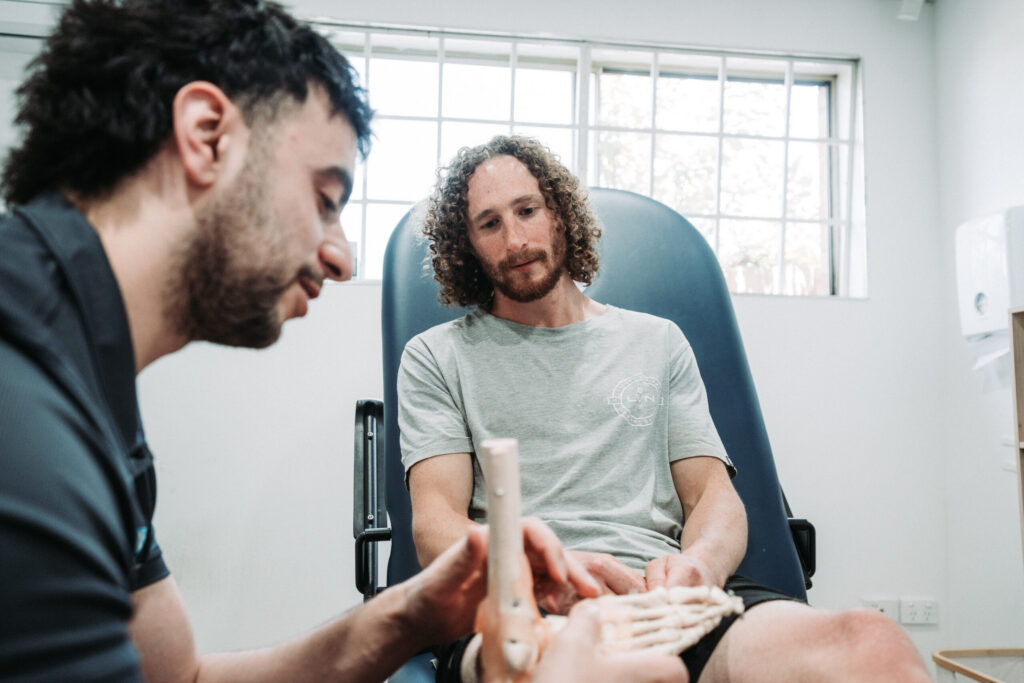
Heel pain, particularly that that is present first thing in the morning and worsens throughout the day, is a hallmark symptom of plantar fasciitis5. Podiatrists can help you manage this condition by planning a specific rehabilitation program for you.
- You have wounds that are not healing
Wounds may not heal for multiple reasons. There may be an issue with the blood supply in your foot, or there may be an infection present. Seeking help when a wound doesn’t heal is essential in preventing the wound from worsening.
- You have been diagnosed with diabetes
Diabetes is a significant risk factor for foot conditions, particularly foot ulcers. It is essential that people with diabetes are screened annually for any foot conditions. If you have diabetes and are experiencing any of the above signs of a foot issue, it is important that you seek help from a podiatrist or other health professional urgently7.
How podiatry can help
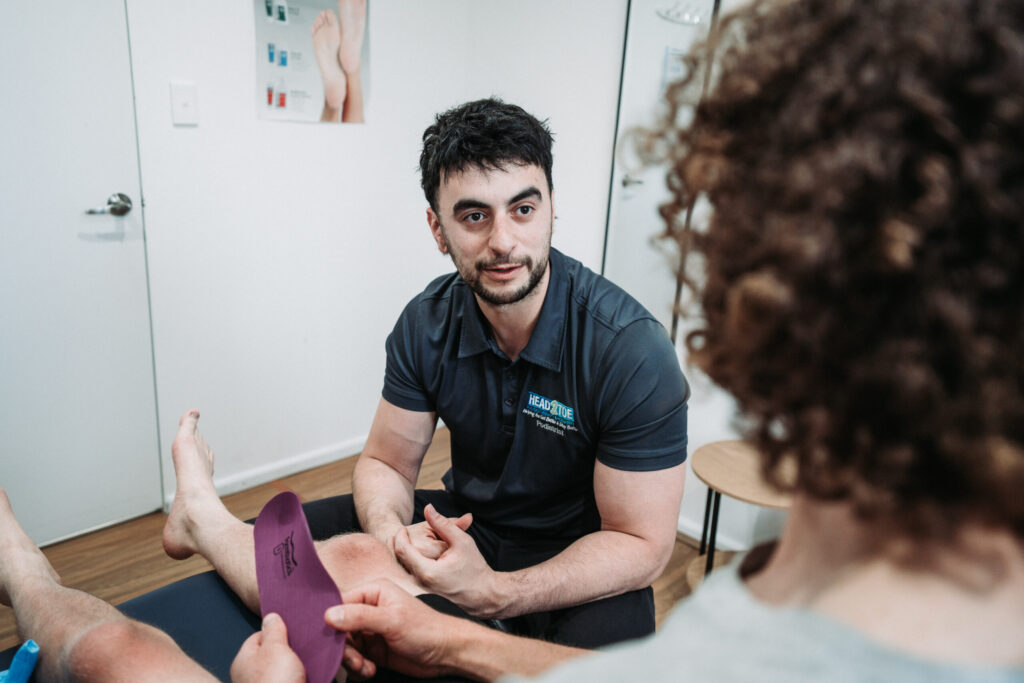
Podiatrists can help prevent, diagnose, and treat the above conditions. Podiatry is important in not only achieving symptom relief but also maintaining long-term health of the foot and ankle. Podiatrists use a range of evidence-based methods to help treat podiatry conditions.
| Method | Evidence |
| Exercise therapy | Performing short foot exercises for 5+ weeks can be effective in improving the medial longitudinal arch of the foot in patients with flat foot deformity (Hara et al., 2023). Physical activity and exercise interventions are effective in improving peripheral sensory function, foot peak pressure distribution, and nerve conduction velocity, as well as reducing the ulcer incidence rate in patients with diabetes (Matos et al., 2018). |
Footwear modification & orthotics | Foot and ankle orthotics are effective in improving outcomes across a range of conditions, including plantar fasciitis, tendon disorders, arthritis, neuropathic foot, and other disorders (Mohaddis et al., 2023). Proper shoe fit is essential in promoting foot health across a range of populations, including the elderly, people with gout, and children with Down Syndrome (Tedeschi et al., 2024). |
Skin & nail procedures | Regular removal of keratosis-related foot changes improves foot geometry, forefoot pressure on the ground, and reduces foot pain (Antonczak, 2023) |
FAQs
- Do I need a referral to see a podiatrist?
You do not need a referral to see a podiatrist in Australia. However, if you would like to use a Chronic Disease Management Plan for Medicare-subsidised sessions, you must be referred by a GP. DVA, TAC and Workcover patients also usually require a referral letter from the GP.
- When should I see a GP rather than a podiatrist?
Podiatrists can be your first point of contact if the problem with your foot or ankle is local to the lower leg, a structural issue, or a skin/nail condition.
For lower leg issues accompanied by symptoms elsewhere in the body, it is best to see a GP first for a comprehensive, whole-body assessment.
Sudden traumas with suspected broken bones should also be assessed by a GP, who may refer you to imaging.
Suspected systemic issues, such as DVT, cellulitis, or cancers, should be assessed by a GP or emergency doctor.
- How often should I see a podiatrist?
How often you will be required to see a podiatrist will vary depending on what your specific problem is, the stage of your problem, and its severity. On your initial appointment, your podiatrist will decide how often you should be attending podiatry to best manage your condition.
When to see a podiatrist
If you have noticed any of the above symptoms or conditions, it is important to seek help before early symptoms develop into more serious issues. Lower leg conditions that affect your mobility, your function, or cause you constant pain should be assessed as soon as possible to avoid worsening of the issue.
Our friendly podiatrists are experienced in treating and preventing podiatric disorders of the lower leg. To book an appointment with our podiatrists at Head2Toe Brunswick, Kew and Moonee Ponds, call (03) 9326 0168 or visit our website to book online.

Reference List
- Hsu AR, Hsu JW. Topical review: skin infections in the foot and ankle patient. Foot Ankle Int. 2012;33(7). doi:10.3113/FAI.2012.0612
- Colo G, Leigheb M, Surace MF, Fusini F. The efficacy of shoes modification and orthotics in hallux valgus deformity: a comprehensive review of literature. Musculoskelet Surg. 2024;108:395-402. doi:10.1007/s12306-024-00839-9
- Kakagia DD, Karadimas EJ, Stouras IA, Papanas N. The ageing foot. Int J Low Extrem Wounds. 2023;25(1). doi:10.1177/15347346231203279
- Lee M, Teo W, Liew H, Cleland J. Observations of teamworking in a multidisciplinary diabetic foot clinic: bridging roles of podiatry and technology. Soc Sci Med. 2025;368:117766. doi:10.1016/j.socscimed.2025.117766
- Senneville E, Albalawi Z, van Asten SA, Abbas ZG, Allison G, Aragon-Sanchez J, Embil JM, Lavery LA, Alhasan M, Oz O, Uckay I, Urbancic-Rovan V, Xu Z, Peters EJG. Guidelines on the diagnosis and treatment of foot infection in persons with diabetes. IWGDF/IDSA 2023. https://iwgdfguidelines.org/wp-content/uploads/2023/07/IWGDF-2023-04-Infection-Guideline.pdf
- Trojian T, Tucker AK. Plantar fasciitis. Am Fam Physician. 2019;99(12):744-750. Available from: https://www.aafp.org/pubs/afp/issues/2019/0615/p744.html
- Bus SA, Lavery LA, Monteiro-Soares M, Rasmussen A, Raspovic A, Sacco ICN, van Netten JJ. Guidelines on the prevention of foot ulcers in persons with diabetes (IWGDF 2019 update). Diabetes Metab Res Rev. 2020;36(S1):e3269. doi:10.1002/dmrr.3269
- Hara S, Kitano M, Kudo S. The effects of short foot exercises to treat flat foot deformity: a systematic review. J Back Musculoskelet Rehabil. 2023;36(1). doi:10.3233/BMR-210374
- Matos M, Mendes R, Silva AB, Sousa N. Physical activity and exercise on diabetic foot related outcomes: a systematic review. Diabetes Res Clin Pract. 2018;139:81-90. doi:10.1016/j.diabres.2018.02.020
- Mohaddis M, Maqsood SA, Ago E, Singh S, Naim Z, Prasad S. Enhancing functional rehabilitation through orthotic interventions for foot and ankle conditions: a narrative review. Cureus. 2023;15(11):e49103. doi:10.7759/cureus.49103
- Tedeschi R, Giorgi F, Donati D. Footwear and foot health: unveiling the role of proper shoe fit in preventing podiatric issues and enhancing wellbeing. Appl Sci. 2024;14(21). doi:10.3390/app14219938
- Antonczak PP, Hartman-Petrycka M, Garncarczyk A, Adamczyk K, Wcislo-Dziadecka D, Blonska-Fajfrowska B. The effect of callus and corns removal treatments on foot geometry, foot pressure, and foot pain reduction in women. Appl Sci. 2023;13(7):4319. doi:10.3390/app13074319
Authored by Lizzie Krikis
Swinburne Physiotherapy Student & Future Physiotherapist







 42 Pascoe Vale Road, Moonee Ponds 3039