Aug. 22, 26
5 Common Running Injuries and How Sports Physiotherapy Keeps You on Track
Training for a marathon or chasing a new personal best, only to be sidelined by ...
Learn More

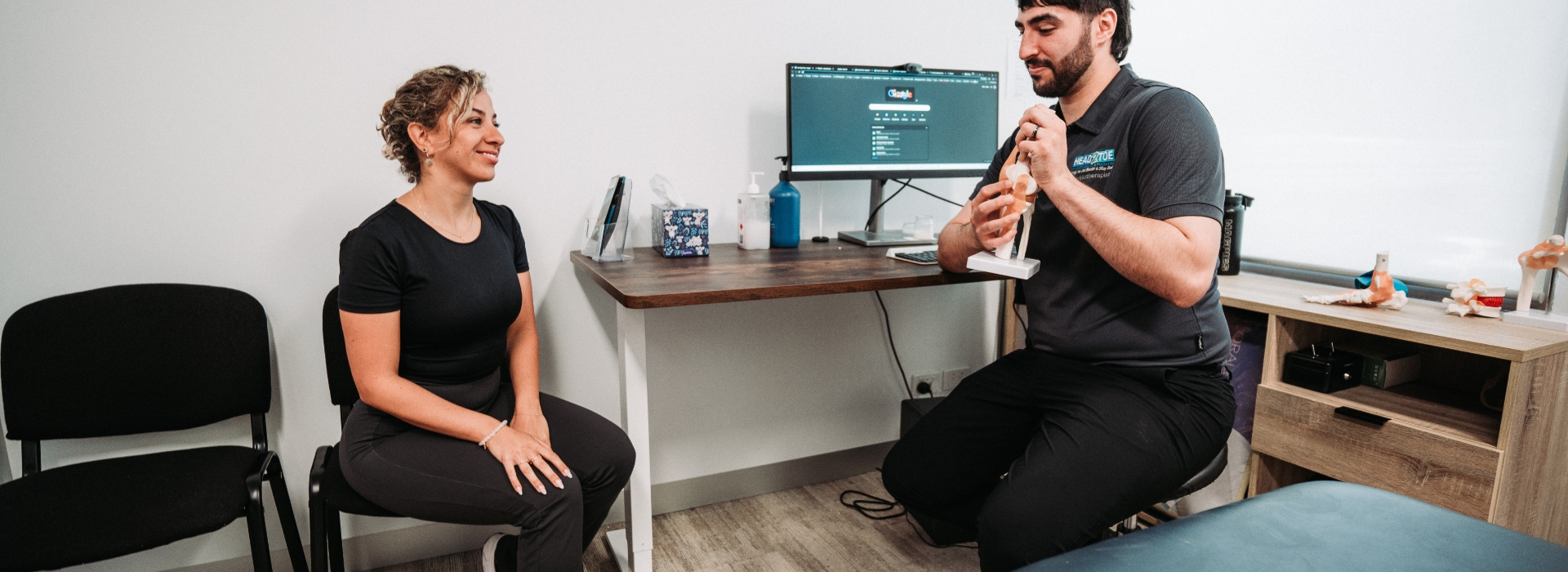








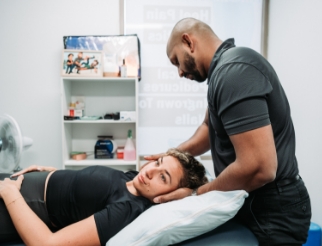
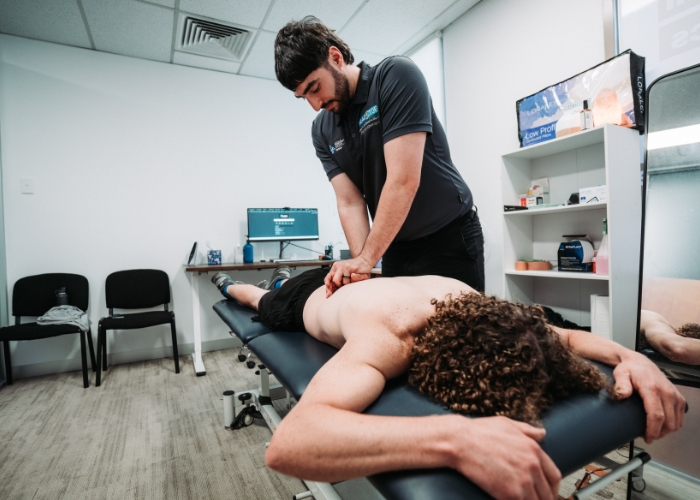
The Mulligan Concept is a hands-on physiotherapy technique that combines gentle joint mobilisations with active patient movement to restore normal joint mechanics and relieve pain instantly.
Developed by New Zealand physiotherapist Brian Mulligan, this method—also known as Mobilisations with Movement (MWM)—is safe, non-invasive, and highly effective for treating pain and stiffness in the spine, neck, shoulders, hips, knees, and ankles.
At Head2Toe, we have physiotherapists that are trained in the Mulligan principles and use them to help patients move freely, restore function, and return to activity faster.
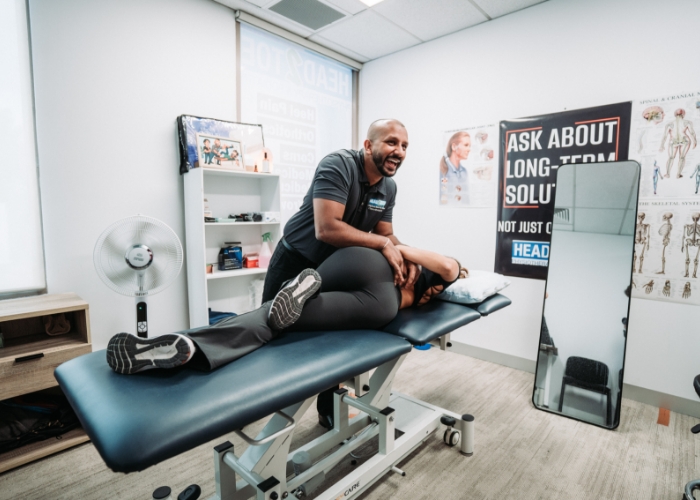
You may benefit from Mulligan techniques if you experience:
Joint pain and restriction can occur when the normal alignment of a joint subtly shifts due to:
The Mulligan Technique corrects this “positional fault” by combining a therapist-applied glide with your active movement—helping restore joint motion and reduce pain immediately.
Highly trained clinicians experienced in Mulligan techniques and advanced manual therapy. Sessions focus on pain-free movement correction—not just passive treatment. Integration with other evidence-based methods such as McKenzie, Pilates, and exercise rehabilitation. We prioritise immediate functional change and long-term results. Patients are taught self-MWM techniques to maintain improvements between visits.
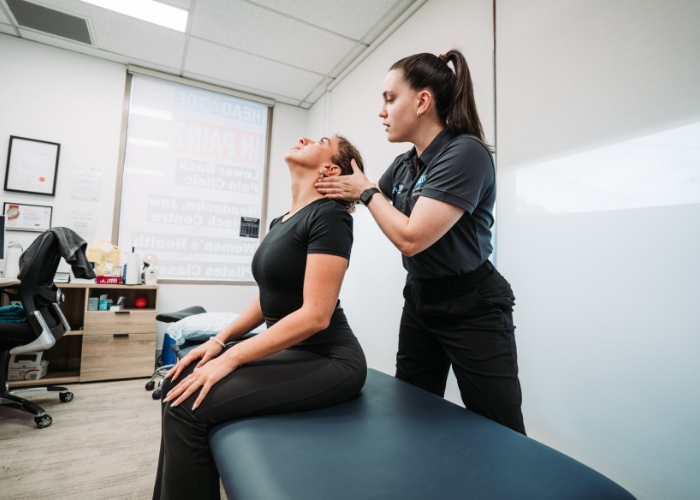

Your Mulligan-based treatment may include:
This approach is interactive, precise, and focused on pain-free improvement in real time.
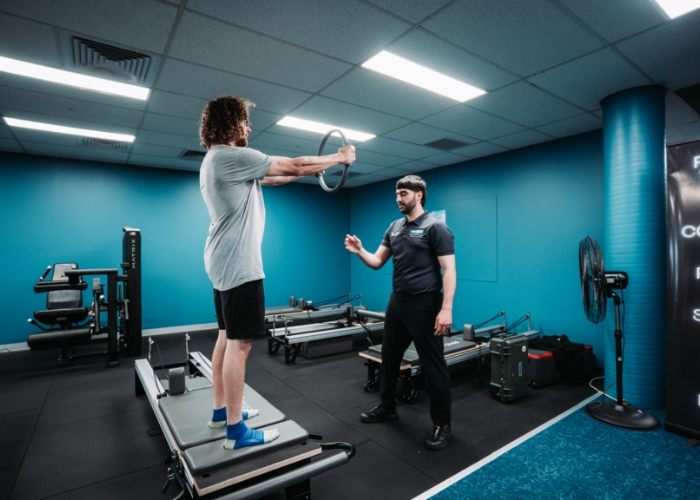
At your first appointment, your physiotherapist will:
This treatment is particularly effective for:
No. All mobilisations are performed within your pain-free range. If it hurts, it’s not the right direction or technique—and your therapist will adjust immediately.
Many patients feel better within the first session. The goal is always an immediate reduction in pain and improvement in movement.
Mulligan techniques can treat spinal pain, shoulder impingement, tennis elbow, knee pain, ankle sprains, and other joint dysfunctions.
Yes. The movements are gentle, controlled, and easily adapted for all ages and body types.
Absolutely. You’ll receive specific self-mobilisation and strengthening drills to reinforce your treatment results.
Training for a marathon or chasing a new personal best, only to be sidelined by ...
Learn More
Many people ignore foot pain until it becomes serious. This can lead to long-term, complex ...
Learn More
What Is Neck Pain? How Common Is it? Neck pain includes discomfort, stiffness, or soreness ...
Learn More
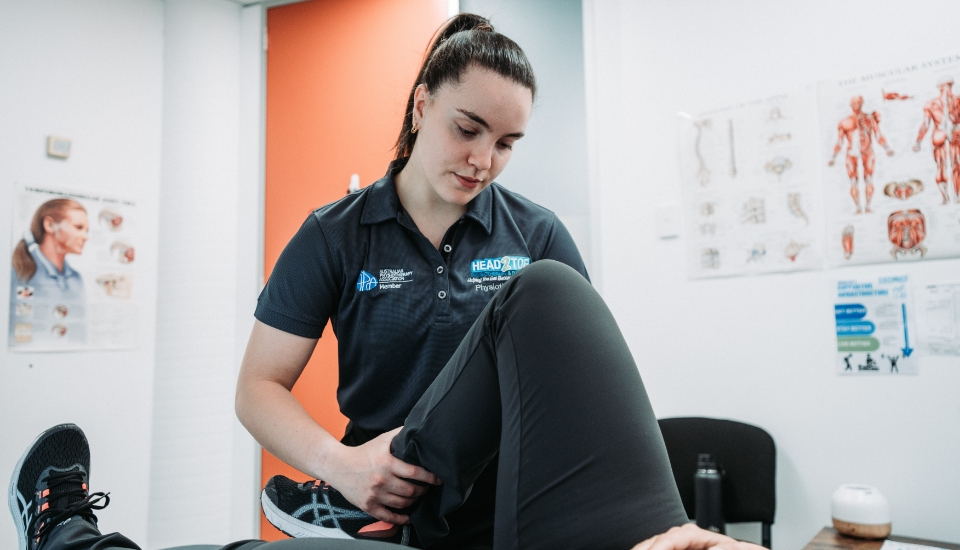
Physiotherapy is the assessment, diagnosis and treatment of musculoskeletal injuries. Some of the conditions we treat in Melbourne include:


 42 Pascoe Vale Road, Moonee Ponds 3039
Suite 1, Level 1, 30 Sydney Road Brunswick Victoria 3056 Australia
1407 Burke Road, Kew 3102
42 Pascoe Vale Road, Moonee Ponds 3039
Suite 1, Level 1, 30 Sydney Road Brunswick Victoria 3056 Australia
1407 Burke Road, Kew 3102