medicare
bupa
members-choice-advantage_cmyk
hcf-more-for-muscles
hcf-more-for-feet-podiatry-brisbane
nib-first-choice

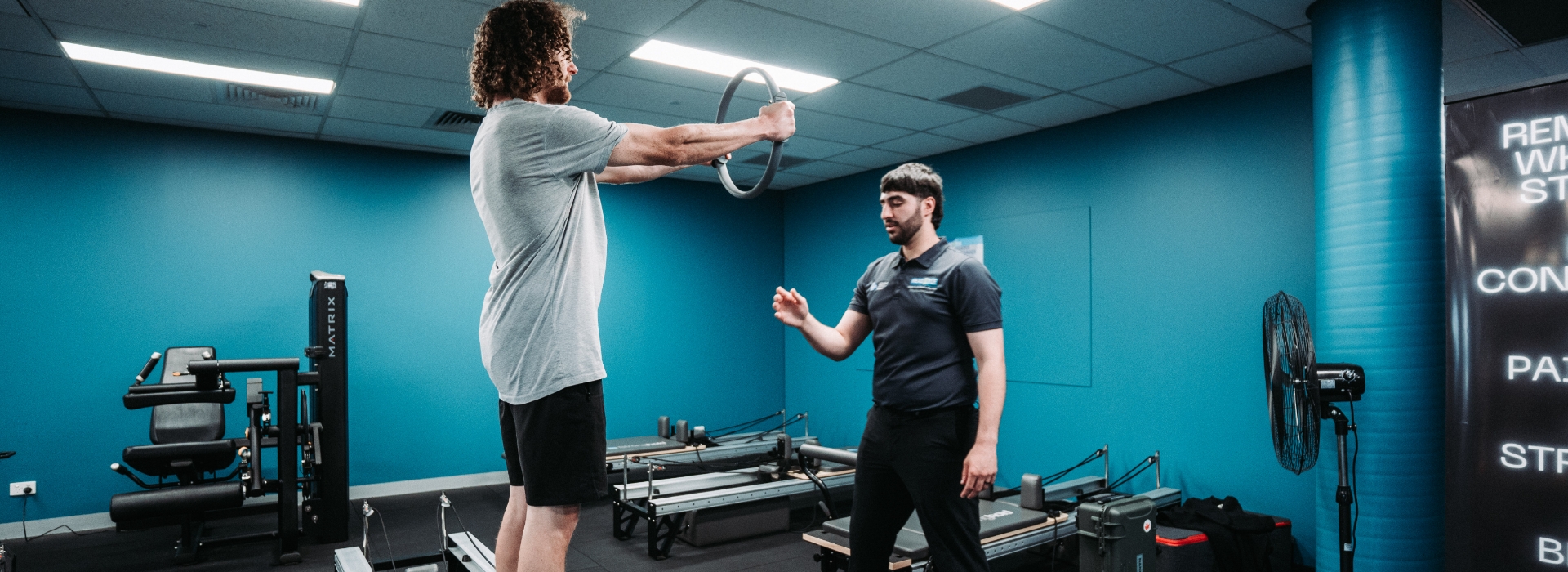
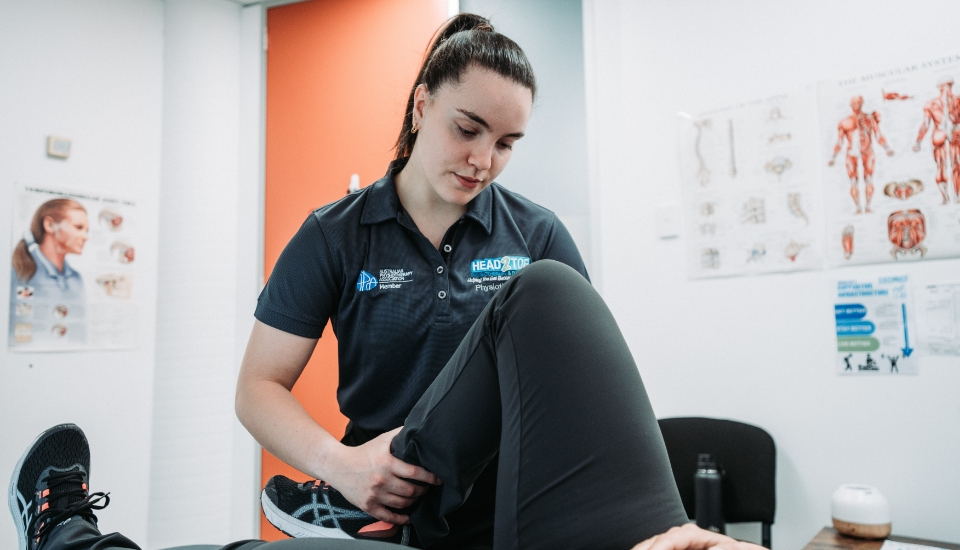
Return to Sport (RTS) Physiotherapy is a structured program designed to help you transition from rehabilitation into full training and competition.

It’s different from standard physio because the focus is on:

Capacity (strength, power, endurance, speed, control)

  • Performance readiness (sport-specific movement patterns and tolerance)
  • Risk reduction (re-injury prevention through testing + planning)
  • Confidence (graded exposure so your body and brain trust the return)

RTS is ideal when you’re asking:

  • “Am I actually ready to return?”
  • “Why do I keep getting the same injury?”
  • “My scans look fine, but sport still hurts.”
return-to-sport-1-1

Common Signs and Symptoms

Signs you may need a Return to Sport plan

You might benefit from Return to Sport Physiotherapy if:

  • You can do daily activities, but sport still provokes symptoms
  • You feel weak, unfit, or unstable compared to pre-injury
  • You’re getting tightness/aches after training and don’t know what’s “normal”
  • You’ve had multiple recurrences (e.g., hamstring, calf, ankle sprains)
  • You’ve returned too early before and lost trust in the injured area
  • You’re cleared medically but feel not game-ready
  • You’re training, but performance feels “off” (slower, hesitant, less explosive)

When should you see a Return to Sport Physiotherapist?

Book an RTS assessment if:

  • You’re 0–12+ weeks post injury and unsure how to progress safely
  • You’re post-op and want a structured return plan (strength + testing + milestones)
  • You’ve had recurrent injuries and want a long-term solution
  • You’re a coach/parent and want clear objective guidance on readiness
  • Your goal is to return to sport with less risk, not just “get through the session”

If your injury is acute and you’re in significant pain, we’ll still help—but we’ll typically start with injury management first, then transition you into RTS when appropriate.

Causes / Why It Happens

Why returning to sport is harder than it looks

Most setbacks happen because the tissues may have settled, but the systems that protect you in sport haven’t caught up yet.

Common reasons include:

  • Strength deficits (especially single-leg strength, calf capacity, posterior chain)
  • Poor rate of force development (you can do it slowly, but not fast)
  • Reduced tendon/soft tissue load tolerance (volume spikes cause flare-ups)
  • Incomplete change-of-direction and landing mechanics
  • Lack of conditioning (fatigue changes movement quality and risk)
  • Returning without objective benchmarks
  • Fear/hesitation leading to altered mechanics and overload elsewhere
Why athletes choose Head2Toe for Return to Sport

At Head2Toe, RTS is a process—not a guess. You’ll get:

Objective-testing-to-guide-return-decisions

Objective testing to guide return decisions (not just “how it feels”)

comprehensive-assessment

A staged plan that progresses from rehab → reconditioning → performance

Strength-and-conditioning-integration

Strength & conditioning principles that fit your sport and schedule

Clear-milestones-so-you-know-what-you-need-to-achieve-next

Clear milestones so you know what you need to achieve next

Education-on-training-loads-so-you-can-avoid-the-too-much-too-soon-trap

Education on training loads so you can avoid the “too much too soon” trap

Collaboration-with-coaches-trainers

Collaboration with coaches/trainers (with your consent)

We treat weekend warriors and competitive athletes the same way: with structure, evidence, and measurable progress.

how-treat-bg

How We Treat It

Our Return to Sport approach

Your plan is tailored to your injury, sport, position/event demands, training age, and timeline.

Depending on your needs, RTS may include:

  • Strength development (foundational → maximal → power)
  • Plyometrics and landing mechanics
  • Running progressions (linear → acceleration/deceleration → change of direction)
  • Tendon capacity loading (e.g., Achilles, patellar, hamstring tendons)
  • Agility, reactive drills, and sport-specific exposure
  • Mobility and control work where relevant (not generic stretching)
  • Load management planning (training schedule, intensity, recovery)
  • Education on pain vs soreness vs warning signs

We’ll measure progress regularly so decisions are based on data, not hope.

return-to-sport-2-1

What to Expect in Your Appointment

What happens in your Return to Sport Assessment

1) Detailed history

  • Your sport, position, goals, and what “return” actually means for you
  • Injury history, flare patterns, training loads, and current tolerance

2) Movement + capacity assessment

We may assess:

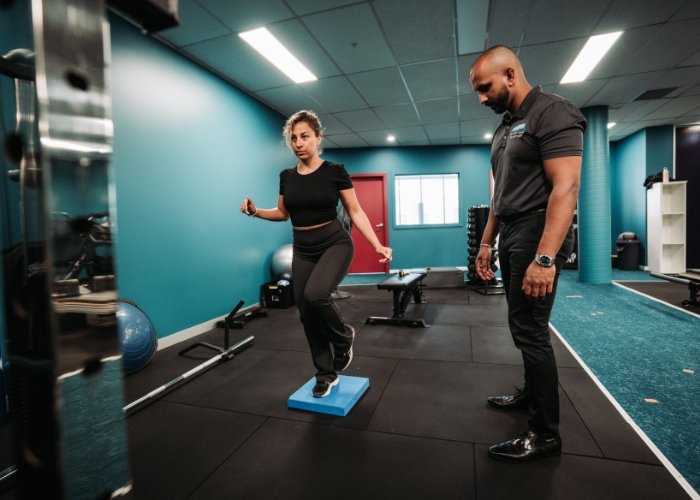
  • Single-leg strength and control
  • Hop/landing mechanics (where appropriate)
  • Calf/hamstring/quad capacity testing
  • Running mechanics and tolerance (if relevant)
  • Change-of-direction readiness
  • Key mobility and joint control measures

3) Clear plan

You’ll leave with:

  • A staged RTS plan (what to do now, what to progress, what to avoid)
  • Target milestones (what needs to improve before full return)
  • A realistic timeframe based on your current capacity and schedule
return-to-sport-3-1

Frequently Asked Questions

Do I need to be pain-free before I return to sport?

Not always. Some conditions can return with controlled symptoms, as long as your capacity and load tolerance are appropriate. We’ll guide you on what’s acceptable vs risky.

Can you clear me to return to sport?

We can provide clinical guidance using objective testing and functional milestones. Formal “clearance” depends on the context (e.g., surgeon protocols, team requirements), but we can supply documentation and progress reports if needed.

How long does Return to Sport take?

It depends on your starting point and sport demands. Most people underestimate reconditioning time. We’ll map out staged goals so you can see exactly what’s required.

What if I keep re-injuring the same area?

That’s a classic RTS problem—often due to a capacity gap (strength/power/endurance) or load spikes. We focus on fixing the “why” and building resilience.

Do you help with return to running programs?

Yes—especially for calf/Achilles, knee pain, hip pain, hamstring strains, and post-op return to running. We build structured progressions and adjust based on symptoms and performance.

Do I need scans before starting?

Usually not. If imaging is useful, we’ll explain why and coordinate with your GP/specialist.

ears to be formally recognised as a sports physiotherapist.

Highlight Patient Types

Field & court athletes (football, soccer, netball, rugby, basketball, hockey)

Runners & triathletes (track, road, trail)

Strength & power athletes (gym, CrossFit, powerlifting, hyrox)

Younger athletes returning to school or club sport

Tradies & active workers on their feet all day

Weekend warriors chasing consistency without setbacks

return-to-sport-4-1

Latest Blogs

Podiatrist in Moonee Ponds , Brunswick and Kew
Mar. 31, 26

Ten Signs You Need To See A Podiatrist

Many people ignore foot pain until it becomes serious. This can lead to long-term, complex ...

Learn More

Ergonomic assessment for neck pain for office workers by physiotherapist.
Mar. 10, 26

How to relieve neck pain from sitting at a desk?

What Is Neck Pain? How Common Is it? Neck pain includes discomfort, stiffness, or soreness ...

Learn More
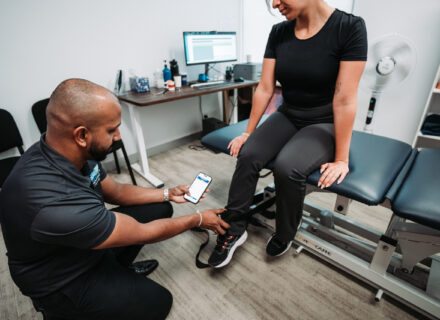
Strength testing of knee extensors with dynanometry with physiotherapist
Feb. 16, 26

Strength Assessment: Objective Testing for Effective, Stronger Rehabilitation

If you’ve ever finished a round of physiotherapy feeling better but wondering whether you’re actually ...

Learn More
Head2Toe
4.8 star

Based on 200 reviews power by google

review us on google icon
pain-relife-program
google-review-section

What We Care For

Physiotherapy is the assessment, diagnosis and treatment of musculoskeletal injuries. Some of the conditions we treat in Melbourne include:

Contact Information
map-location
42 Pascoe Vale Road, Moonee Ponds 3039
map-location
Suite 1, Level 1, 30 Sydney Road Brunswick Victoria 3056 Australia
map-location
1407 Burke Road, Kew 3102
    Get In Touch

    Please provide your contact details (email or phone) as we cannot reply to emails coming via the website.