Mar. 31, 26
Ten Signs You Need To See A Podiatrist
Many people ignore foot pain until it becomes serious. This can lead to long-term, complex ...
Learn More

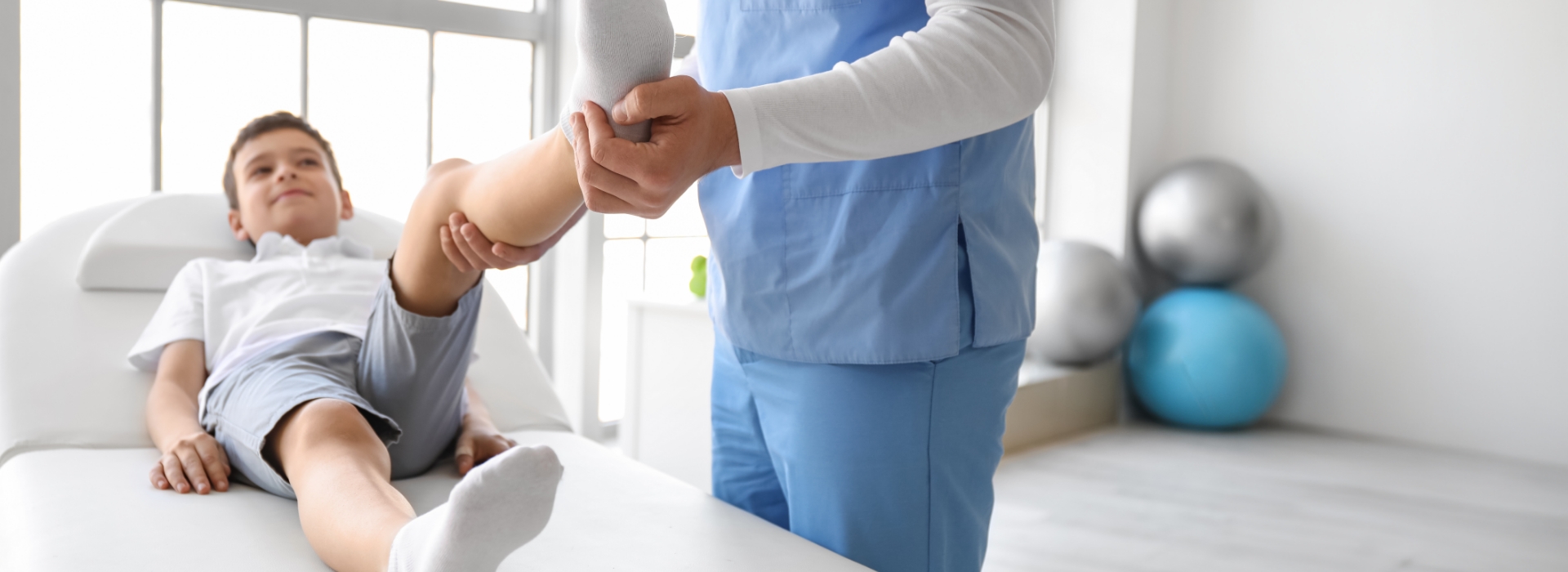







At Head2Toe Podiatry, we offer comprehensive paediatric care tailored to the specific needs of growing children and adolescents. Children’s bones, muscles, joints, and feet are still developing—so they require careful, age-appropriate management for injuries, postural concerns, and foot-related conditions.
Our team of podiatrists collaborate to support healthy development, reduce pain, improve movement, and address common lower limb and foot issues—helping kids stay active and confident in sport, school, and daily life.
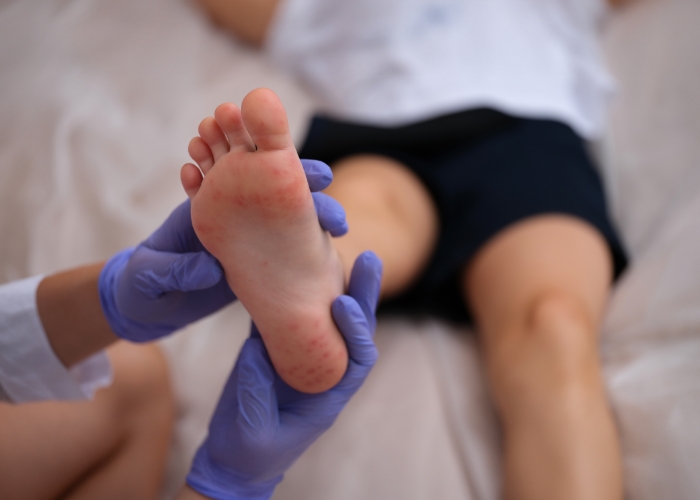
Our experienced team is trained to assess and treat a wide range of paediatric musculoskeletal and podiatry issues, including:
Foot and Lower Limb Conditions:
Growth and Activity-Related Conditions:
Postural and Developmental Concerns:
Injuries and Recovery:
Children’s growing bodies are vulnerable to specific musculoskeletal and podiatric concerns due to:
Our integrated physiotherapy and podiatry approach means your child receives comprehensive care all under one roof.

Our physiotherapists and podiatrists are trained in paediatric care, offering safe, gentle, and effective treatment suited to children of all ages.

Our podiatrists specialise in diagnosing and managing foot, ankle, skin, and nail conditions – from in-toeing to plantar warts – with up-to-date, evidence-based care.

We work with you and your child every step of the way, providing clear communication, practical advice, and ongoing support.

We consider how your child’s feet and posture relate to their entire musculoskeletal system, ensuring long-term function and confidence.
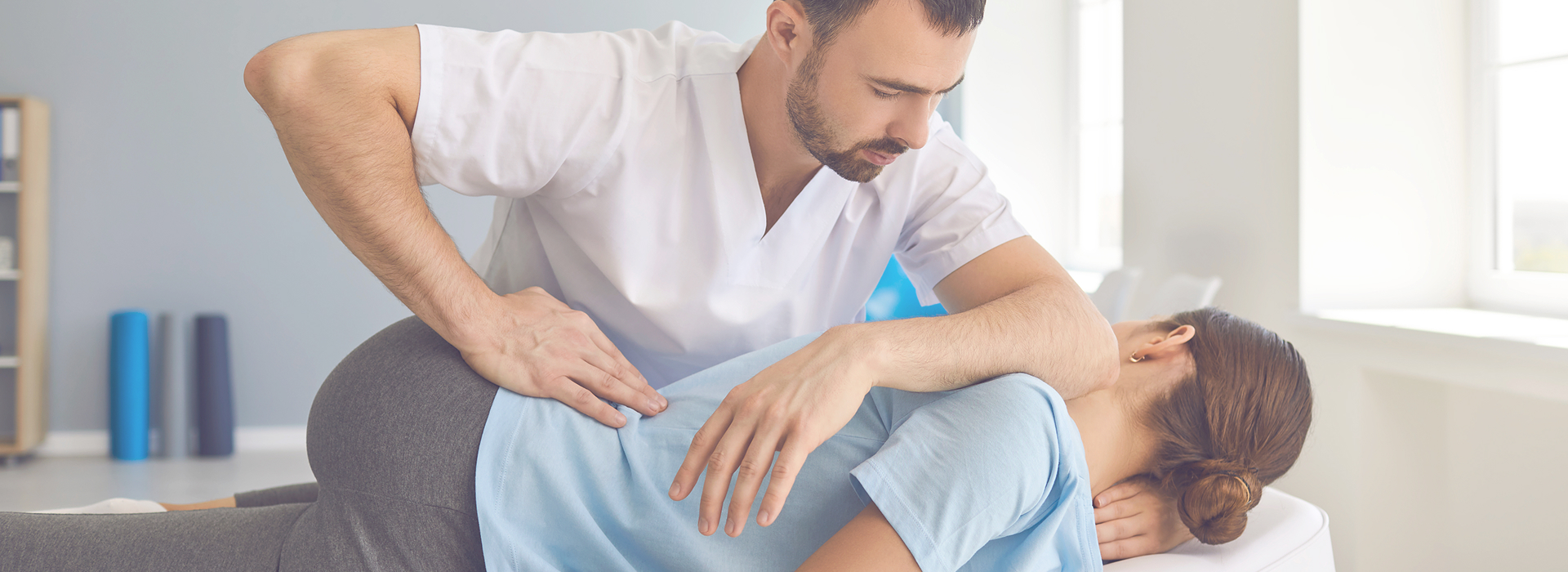
Our treatments are always tailored to the individual child, and may include:
We also coordinate closely with GPs, paediatricians, and other health providers where necessary.
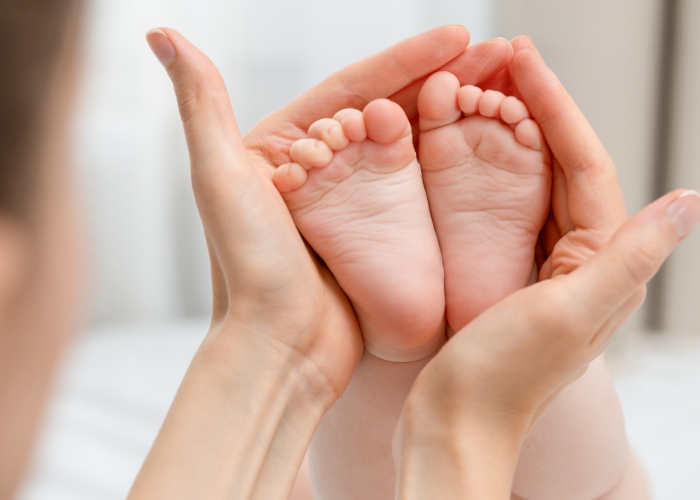
At your child’s first appointment, our clinicians will:
Follow-up appointments will monitor progress, adapt the treatment plan, and keep parents/caregivers actively involved.
Our team supports a wide variety of children and teens, including:
Whether your child needs help with a sore foot, persistent pain, balance issues, or returning to sport, Head2Toe is here to help them move, grow, and thrive

Some variation in walking patterns (like flat feet or in-toeing) is normal during early development. However, if your child is tripping often, complaining of pain, walking differently from their peers, or if you’re simply unsure — a professional assessment can provide peace of mind and early support if needed.
Our treatments are gentle and child-friendly. While some exercises may feel slightly challenging and wart treatments can cause momentary discomfort, your child should never feel significant pain. We always explain what to expect before starting.
Flat feet are common in children and don’t always require orthotics. We assess posture, alignment, and symptoms before recommending any intervention. In some cases, simple footwear changes or strengthening exercises are all that’s needed.
In-toeing (when feet turn inward) or toe-walking can be due to normal development, muscle tightness, or structural differences. If these patterns persist beyond certain ages or cause tripping, pain, or fatigue, it’s worth getting an assessment by a physiotherapist or podiatrist.
Plantar warts are caused by a common virus (HPV) that enters the skin through tiny cuts, often picked up in places like swimming pools or communal showers. Treatment may involve safe topical solutions, debridement, or other in-clinic methods depending on the child’s age and comfort. Early treatment prevents spread and speeds up recovery.
Ingrown toenails are often caused by tight footwear, incorrect nail cutting, or sometimes injury. They can lead to redness, swelling, or infection. Our podiatrists offer gentle, child-appropriate care to relieve pain and prevent recurrence. Additionally, we will show you how to prevent them at home.
In most cases, yes, we aim to keep kids active wherever it’s safe. If any modifications are needed (like reducing intensity or avoiding certain movements), we’ll guide you clearly and support a safe return to full activity when ready.
Many people ignore foot pain until it becomes serious. This can lead to long-term, complex ...
Learn More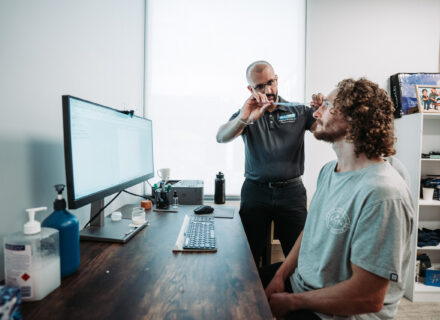
What Is Neck Pain? How Common Is it? Neck pain includes discomfort, stiffness, or soreness ...
Learn More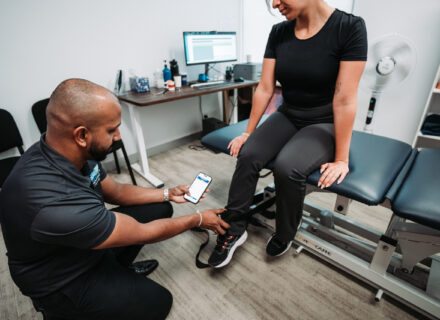
If you’ve ever finished a round of physiotherapy feeling better but wondering whether you’re actually ...
Learn More
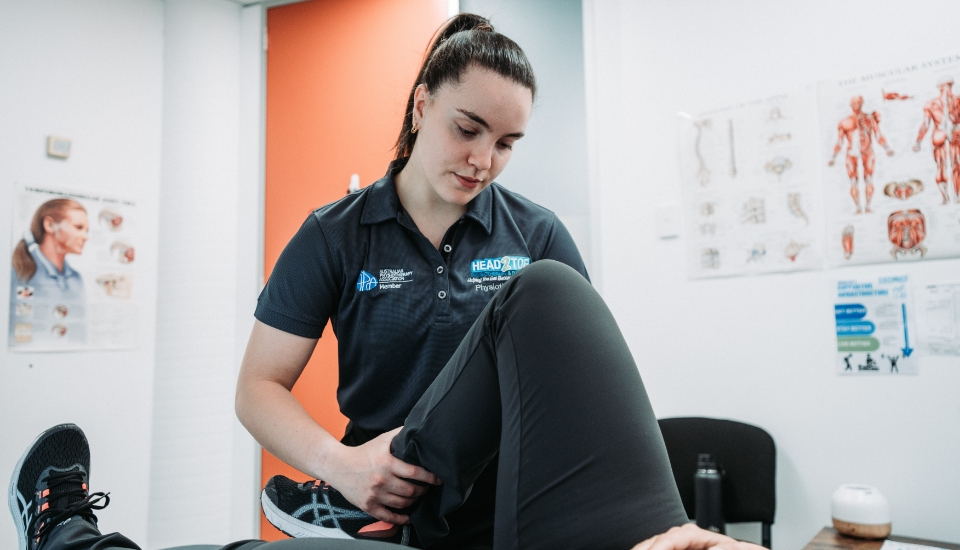
Physiotherapy is the assessment, diagnosis and treatment of musculoskeletal injuries. Some of the conditions we treat in Melbourne include:


 42 Pascoe Vale Road, Moonee Ponds 3039
Suite 1, Level 1, 30 Sydney Road Brunswick Victoria 3056 Australia
1407 Burke Road, Kew 3102
42 Pascoe Vale Road, Moonee Ponds 3039
Suite 1, Level 1, 30 Sydney Road Brunswick Victoria 3056 Australia
1407 Burke Road, Kew 3102