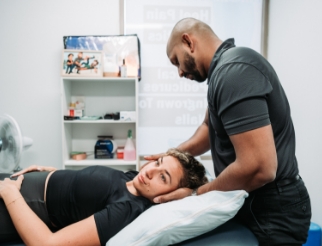
Oct. 20, 26
SIJ Pain or Lower Back Pain? How a Physio Assesses the Difference
Buttock or lower back pain can come from the SIJ, the spine or the hip. Here is how our physios tell them apart, and what treatment involves.
Learn More

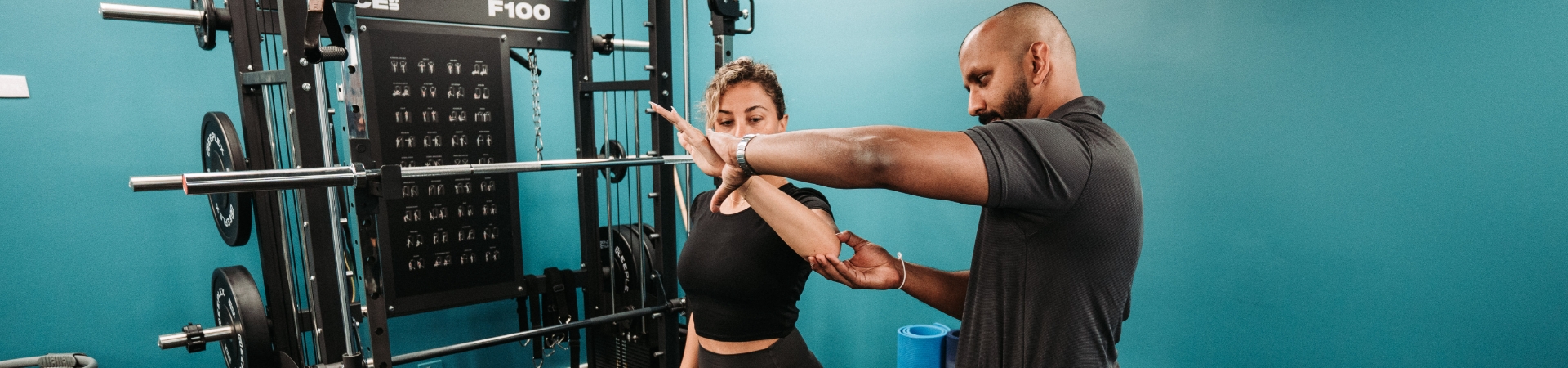






The elbow is a complex hinge joint connecting your upper arm (humerus) to your forearm bones (ulnar and radius). It allows you to bend, straighten, and rotate your arm, making it essential for daily activities like lifting, typing, or playing sport.
While the joint is supported by strong ligaments and muscles, it is still prone to overuse, impact, and repetitive strain injuries. Whether your pain is from sport, work, or everyday tasks, our physiotherapists at Head2Toe can help identify the cause and get you back to pain-free movement.

Pain or tenderness on the inside or outside of the elbow
Weakness or difficulty gripping objects
Stiffness when bending or straightening the arm
Numbness or tingling radiating into the forearm or fingers
Swelling or heat around the elbow joint
Pain with lifting, typing, or twisting motions
Elbow pain can develop from a sudden injury or from repetitive strain on muscles, tendons, or nerves around the joint.
Common causes include:


our physiotherapists are trained to differentiate between local elbow conditions and referred pain.

we use specific tests to pinpoint the affected structure and underlying cause.

treatment plans are tailored to your work, sport, and activity demands.

we combine manual therapy, movement retraining, and strengthening to ensure lasting results.

we liaise with your GP or specialists if imaging or further investigations are required.
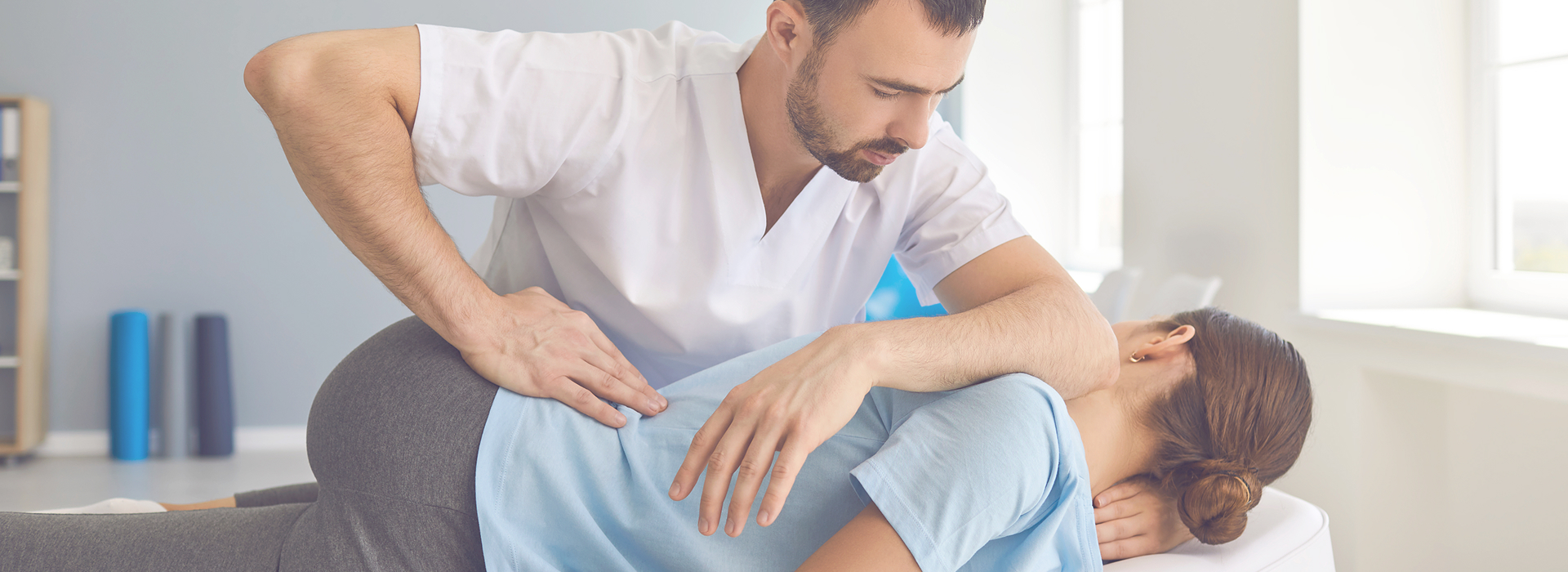
At Head2Toe, we use a combination of hands-on therapy and targeted rehabilitation to restore your elbow’s movement, strength, and function.
Our treatments include:
If your injury is more severe — such as a fracture, dislocation, or tendon rupture — your physiotherapist will guide you on appropriate imaging (X-ray, ultrasound, MRI) and communicate with your GP for further management.
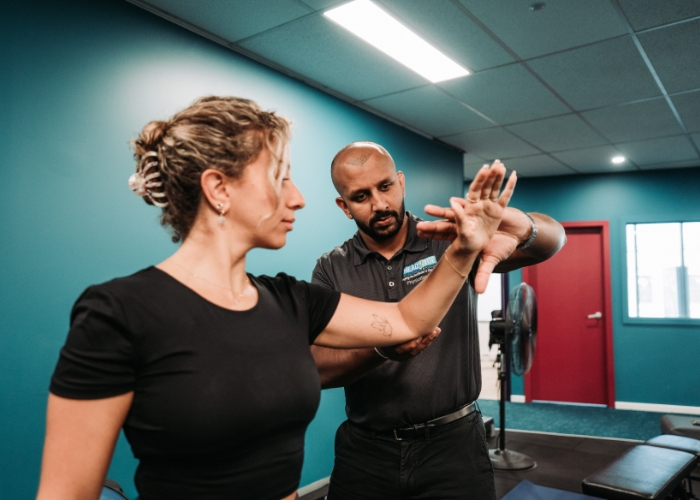
Your first appointment will focus on finding the exact cause of your elbow pain. You can expect:
We commonly help:

Usually not. Most elbow injuries can be accurately diagnosed with a thorough physical examination. If needed, we’ll refer you for imaging.
Yes. These conditions respond well to load management, strengthening, and hands-on therapy. Our goal is to restore tendon capacity and prevent recurrence.
Not necessarily. Staying gently active helps promote healing. We’ll guide you on how to modify your activities safely.
Pain can come from overuse, muscle imbalance, or even referral from the neck or shoulder — we’ll determine which is contributing to your symptoms.
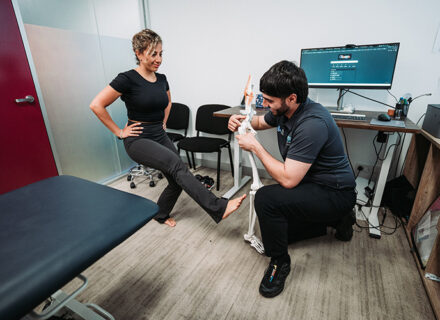
Buttock or lower back pain can come from the SIJ, the spine or the hip. Here is how our physios tell them apart, and what treatment involves.
Learn More
EPC plans (now called GP Chronic Condition Management Plans) give you up to 5 Medicare-subsidised physio or podiatry sessions each calendar year. Here's how they work at Head2Toe — eligibility, how the calendar-year allocation and carry-over rules work, claiming through Tyro, and answers to the most common questions.
Learn More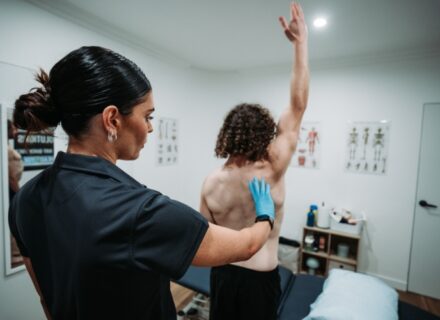
A physio’s guide to frozen shoulder (adhesive capsulitis) – symptoms, causes, the 3 stages, how long it lasts and treatment options.
Learn More
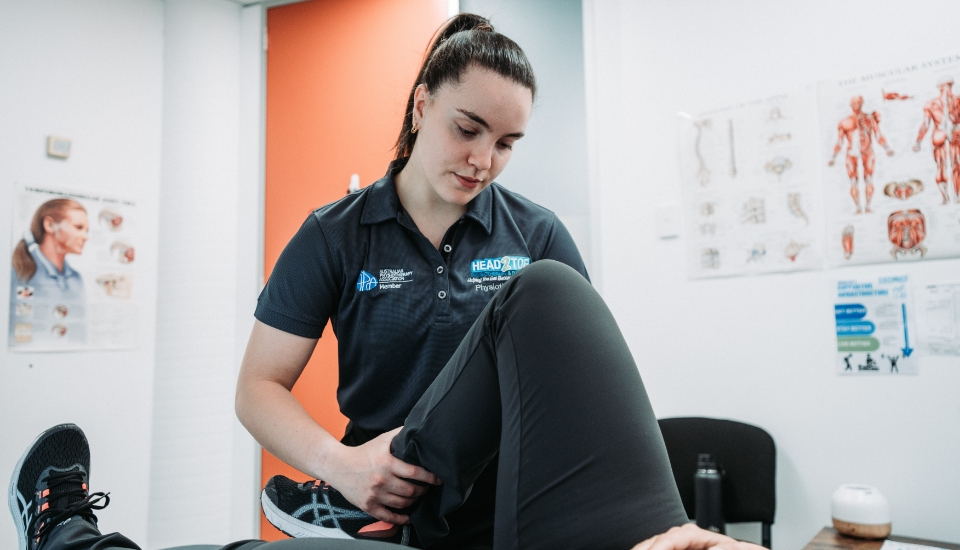
Physiotherapy is the assessment, diagnosis and treatment of musculoskeletal injuries. Some of the conditions we treat in Melbourne include:

Book an appointment with one of our experienced physiotherapists today and take the first step toward restoring your strength, stability, and confidence.
Error: No feed with the ID 3 found.
Please go to the Instagram Feed settings page to create a feed.


 42 Pascoe Vale Road, Moonee Ponds 3039
Suite 1, Level 1, 30 Sydney Road Brunswick Victoria 3056 Australia
1407 Burke Road, Kew 3102
42 Pascoe Vale Road, Moonee Ponds 3039
Suite 1, Level 1, 30 Sydney Road Brunswick Victoria 3056 Australia
1407 Burke Road, Kew 3102