Oct. 20, 26
SIJ Pain or Lower Back Pain? How a Physio Assesses the Difference
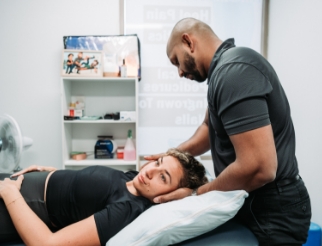
Buttock or lower back pain can come from the SIJ, the spine or the hip. Here is how our physios tell them apart, and what treatment involves.
Learn More








Did you know there are 27 bones between your wrist and fingertips? Add to that a network of stabilising ligaments, fine-tuned intrinsic muscles, and interconnected tendons from your forearm—and it becomes clear why the wrist and hand form one of the most complex and functional systems in the human body.
Because of this intricate design, even minor disruptions can lead to pain, weakness, or loss of function. Whether it’s a tendon strain, ligament injury, nerve entrapment, or overuse condition, the wrist and hand require precise diagnosis and targeted management to restore full function and prevent long-term issues.
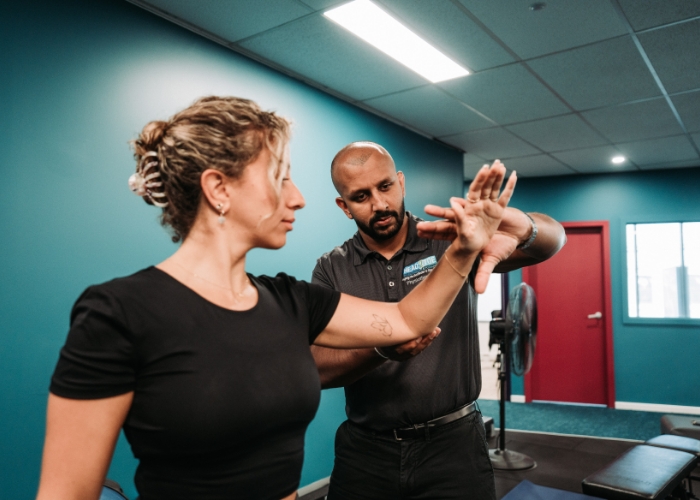
The wrist and hand are highly complex, making them vulnerable to a wide range of injuries and conditions. Some of the most frequently seen problems include:
Wrist and hand pain can develop from many everyday activities that involve repetitive gripping, lifting, typing, or sustained postures.
At Head2Toe, we often see these symptoms arise from:
When these factors combine, the body’s ability to recover is exceeded, resulting in pain, stiffness, and weakness.

At Head2Toe, we don’t just treat symptoms — we look at the root cause.
Here’s what makes our approach different:

We use current research and best-practice physiotherapy to guide every decision.

Physiotherapists, podiatrists, and our wider allied health team collaborate to ensure all contributing factors are addressed.

We communicate directly with your employer or insurer to ensure ergonomic and load-management strategies are put in place.

Each treatment plan is tailored to your specific goals — whether that’s returning to work, sport, or daily activities.

We utilise software such as Physitrack for your home program and offer ergonomic and dictation solutions where appropriate.

Our treatment focuses on reducing pain, restoring movement, and building resilience in your wrist and hand.
This often includes:

Your first appointment is all about understanding you and your goals. Here’s what to expect:
We commonly help:

No — physiotherapists are primary contact practitioners. However, if you’re seeing us under a GP Care Plan or insurance claim, a referral may be required.
Most patients notice improvement within 2–4 sessions, depending on the severity and chronicity of their condition.
In most cases, yes. We focus on modifying your workload rather than stopping it completely, so you stay active and productive while healing.
Absolutely. We can liaise with your workplace to recommend changes such as mouse and keyboard type, workstation height, or use of dictation software to reduce strain.
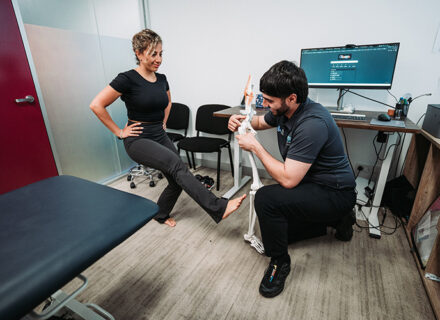
Buttock or lower back pain can come from the SIJ, the spine or the hip. Here is how our physios tell them apart, and what treatment involves.
Learn More
EPC plans (now called GP Chronic Condition Management Plans) give you up to 5 Medicare-subsidised physio or podiatry sessions each calendar year. Here's how they work at Head2Toe — eligibility, how the calendar-year allocation and carry-over rules work, claiming through Tyro, and answers to the most common questions.
Learn More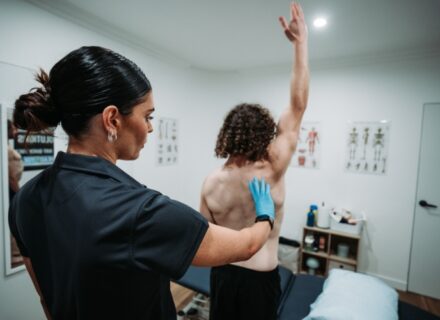
A physio’s guide to frozen shoulder (adhesive capsulitis) – symptoms, causes, the 3 stages, how long it lasts and treatment options.
Learn More
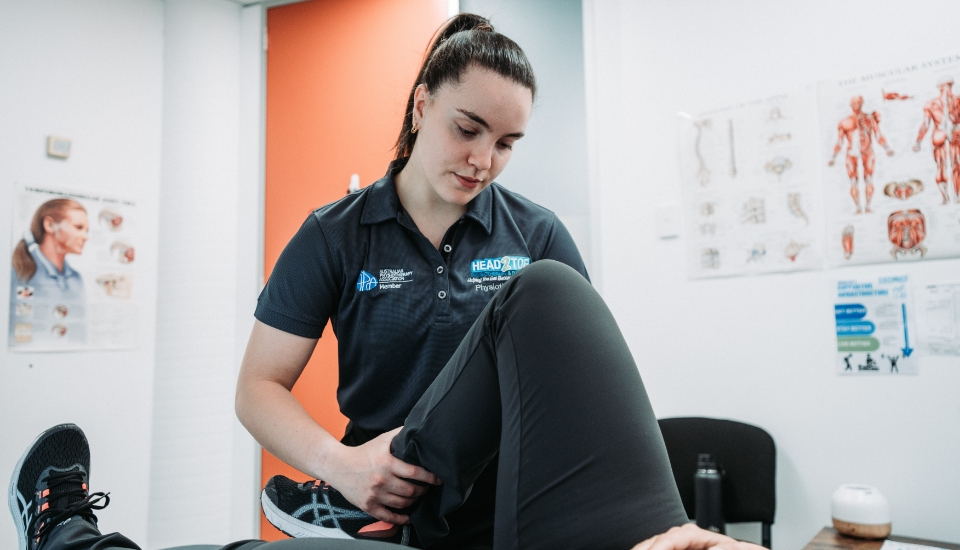
Physiotherapy is the assessment, diagnosis and treatment of musculoskeletal injuries. Some of the conditions we treat in Melbourne include:

Book an appointment with one of our experienced physiotherapists today and take the first step toward restoring your strength, stability, and confidence.
Error: No feed with the ID 3 found.
Please go to the Instagram Feed settings page to create a feed.


 42 Pascoe Vale Road, Moonee Ponds 3039
Suite 1, Level 1, 30 Sydney Road Brunswick Victoria 3056 Australia
1407 Burke Road, Kew 3102
42 Pascoe Vale Road, Moonee Ponds 3039
Suite 1, Level 1, 30 Sydney Road Brunswick Victoria 3056 Australia
1407 Burke Road, Kew 3102