Oct. 20, 26
SIJ Pain or Lower Back Pain? How a Physio Assesses the Difference
Buttock or lower back pain can come from the SIJ, the spine or the hip. Here is how our physios tell them apart, and what treatment involves.
Learn More







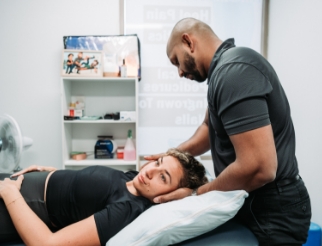
Pain in the hip and groin region can come from several different structures. It may originate from within the hip joint itself — including the joint surface, ligaments, or labrum — or from surrounding muscles, tendons, or bursae. Sometimes, hip and groin pain can even be referred from the lower back or pelvis.
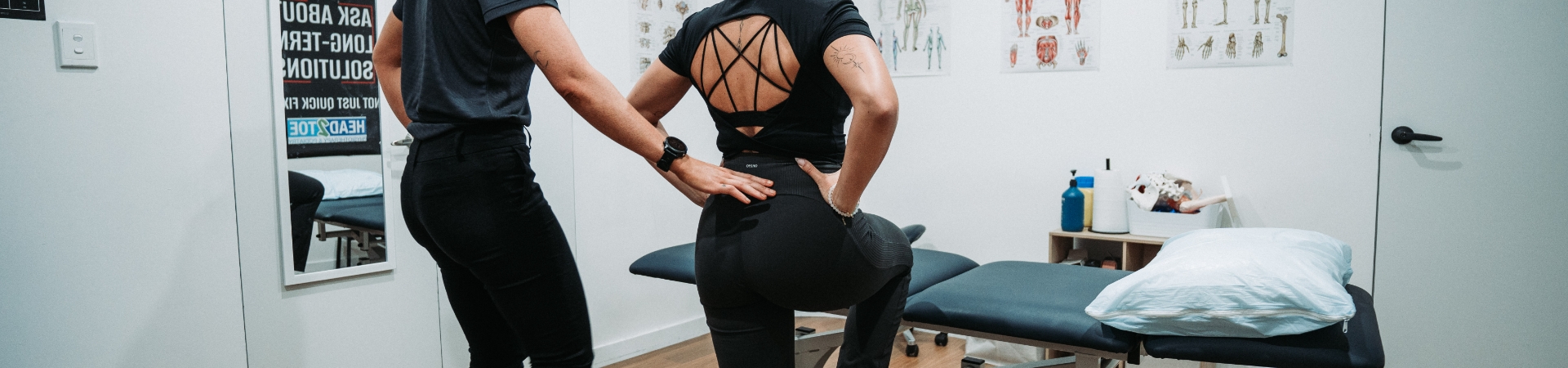
Because so many structures can contribute to pain in this area, an accurate diagnosis is key. At Head2Toe, our experienced physiotherapists will identify the true cause of your symptoms and create a plan to help you move freely again.
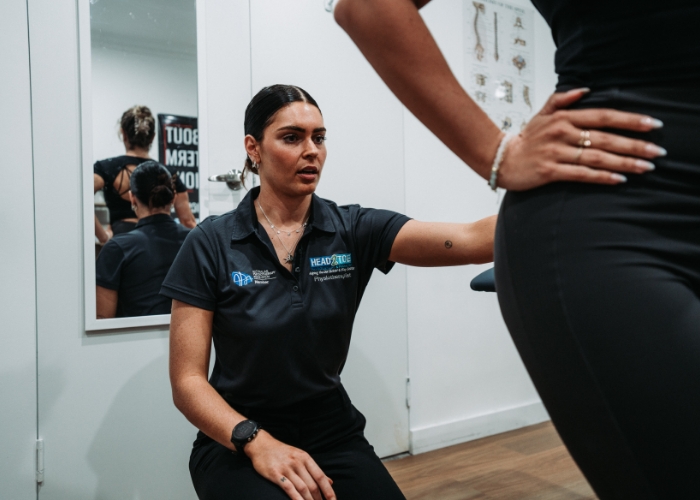
Hip and groin pain can develop from acute injury, repetitive strain, or degenerative changes. Common causes include:

At Head2Toe, we take a comprehensive and evidence-based approach to managing hip and groin pain.

our physiotherapists perform detailed assessments to pinpoint the source of your pain.

your care is tailored to your condition, goals, and activity level.

we address not only the hip but also the spine, pelvis, and core that influence hip mechanics.

we combine hands-on therapy with functional and strength-based programs for long-term results.

if further investigation is needed, we can refer for X-rays, ultrasound, or MRI, or liaise with GP’s and Surgeon’s to organise this.
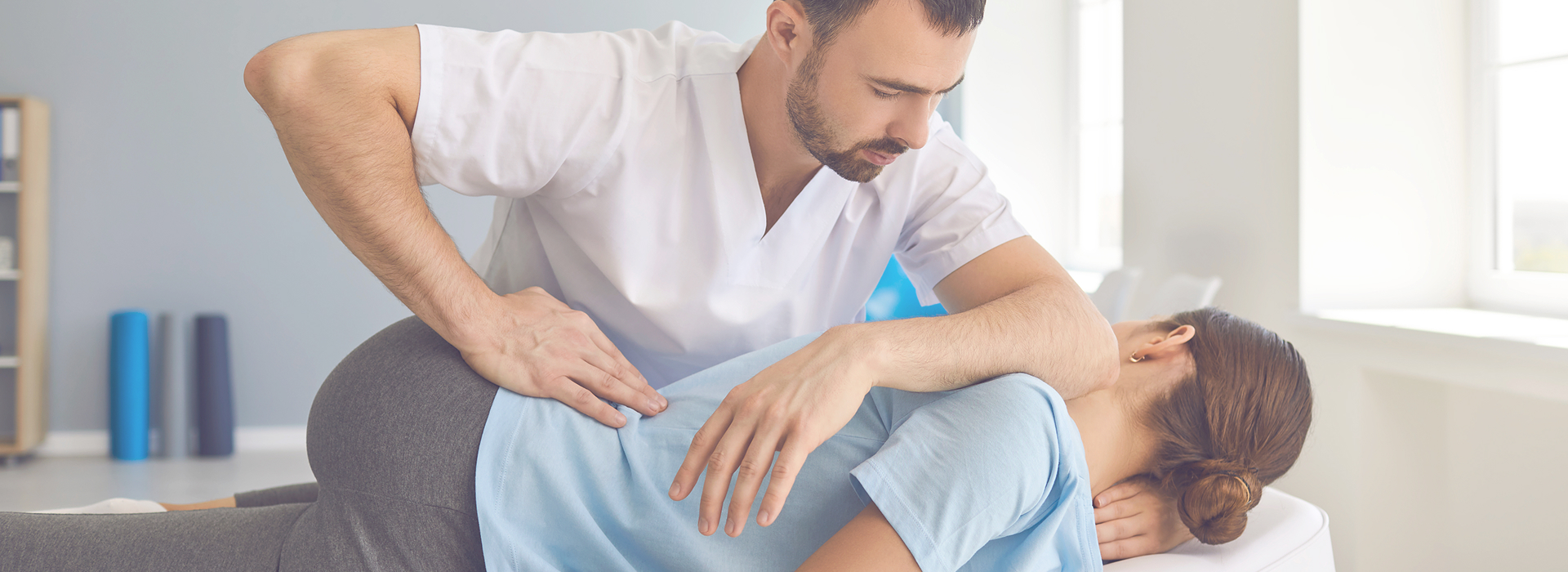
Our treatment focuses on relieving pain, restoring mobility, and rebuilding hip and core strength to prevent recurrence.
Your physiotherapist may use:
For sporting injuries, you’ll receive a graded return-to-training program to safely rebuild load tolerance and performance.
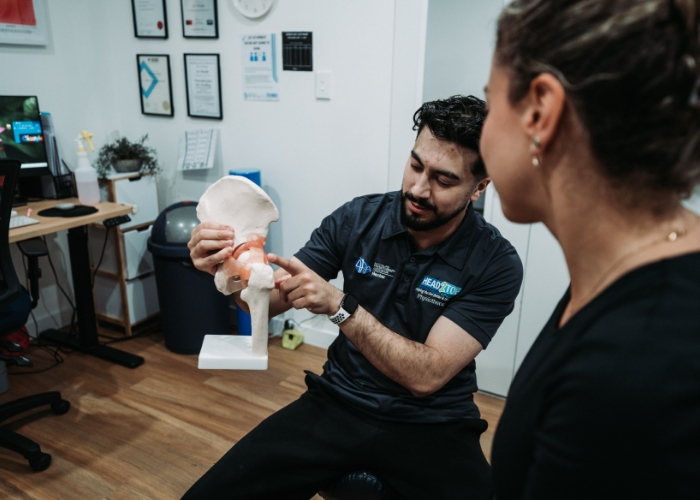
At your first appointment, your physiotherapist will:
If needed, we can arrange imaging (X-ray, ultrasound, MRI) or refer to an orthopaedic specialist for further opinion.
We commonly help:

Yes. Many people experience referred pain from the lower back or pelvis, which can mimic hip symptoms. That’s why a detailed assessment is essential.
This depends on the cause. Mild muscle strains may resolve in weeks, while tendinopathies or arthritis may take several months with progressive rehabilitation.
Not necessarily. In most cases, we modify rather than stop activity, helping you stay active while healing.
Often not initially. Physiotherapy assessment usually identifies the source of pain, but scans can be organised if your recovery plateaus or we suspect a structural issue.
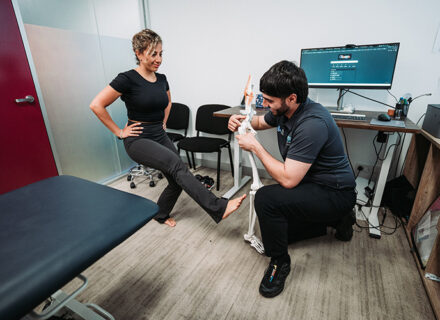
Buttock or lower back pain can come from the SIJ, the spine or the hip. Here is how our physios tell them apart, and what treatment involves.
Learn More
EPC plans (now called GP Chronic Condition Management Plans) give you up to 5 Medicare-subsidised physio or podiatry sessions each calendar year. Here's how they work at Head2Toe — eligibility, how the calendar-year allocation and carry-over rules work, claiming through Tyro, and answers to the most common questions.
Learn More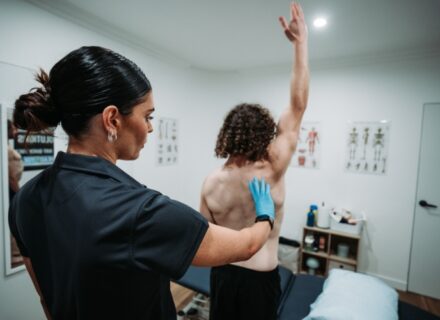
A physio’s guide to frozen shoulder (adhesive capsulitis) – symptoms, causes, the 3 stages, how long it lasts and treatment options.
Learn More
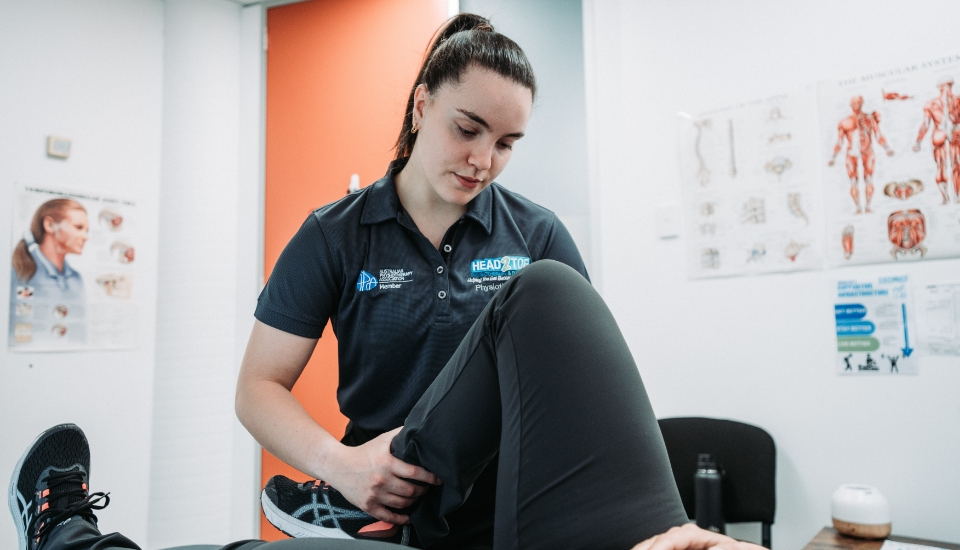
Physiotherapy is the assessment, diagnosis and treatment of musculoskeletal injuries. Some of the conditions we treat in Melbourne include:

Book an appointment with one of our experienced physiotherapists today and take the first step toward restoring your strength, stability, and confidence.
Error: No feed with the ID 3 found.
Please go to the Instagram Feed settings page to create a feed.


 42 Pascoe Vale Road, Moonee Ponds 3039
Suite 1, Level 1, 30 Sydney Road Brunswick Victoria 3056 Australia
1407 Burke Road, Kew 3102
42 Pascoe Vale Road, Moonee Ponds 3039
Suite 1, Level 1, 30 Sydney Road Brunswick Victoria 3056 Australia
1407 Burke Road, Kew 3102