medicare
bupa
members-choice-advantage_cmyk
hcf-more-for-muscles
hcf-more-for-feet-podiatry-brisbane
nib-first-choice

Gait analysis is a detailed assessment of how you walk and run. It examines your biomechanics, how your joints and muscles work together to uncover patterns that can cause pain, increase injury risk, or limit performance.

Why Choose Head2Toe?

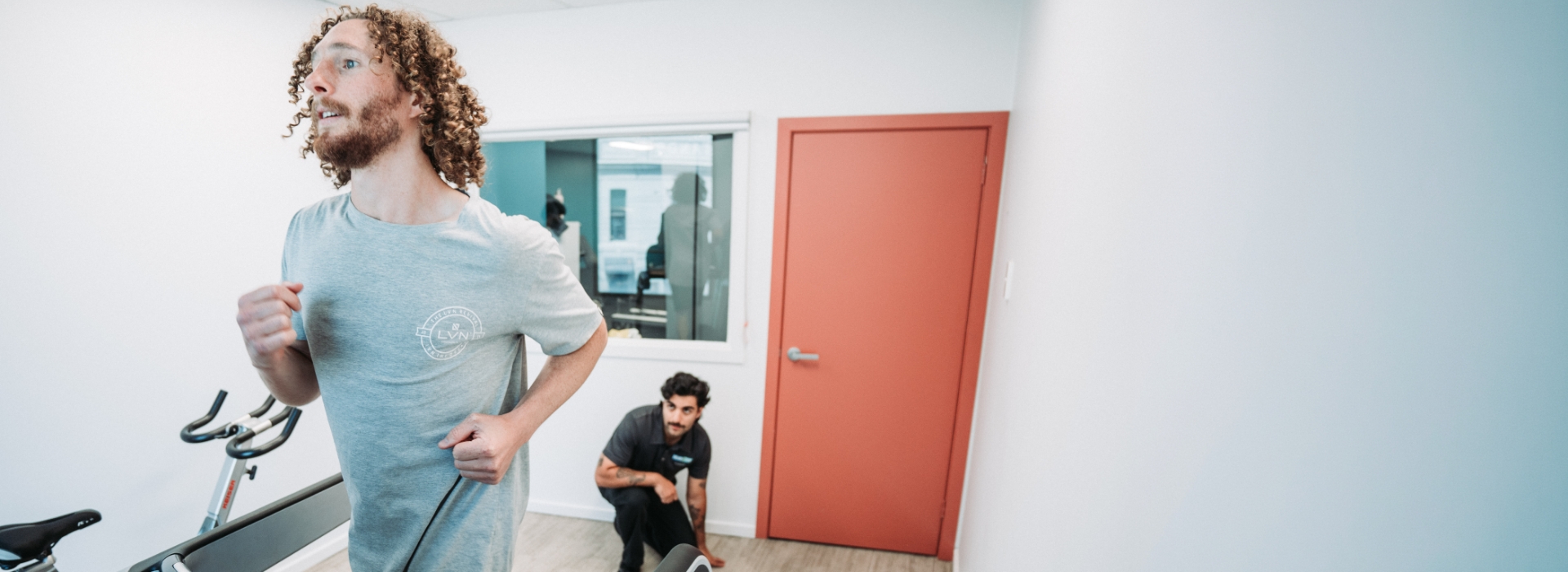
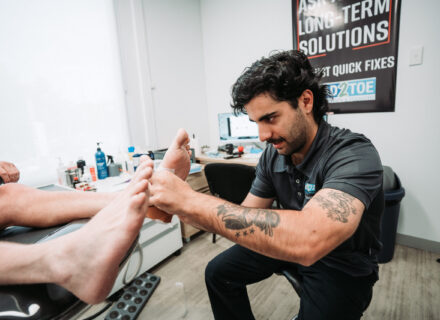
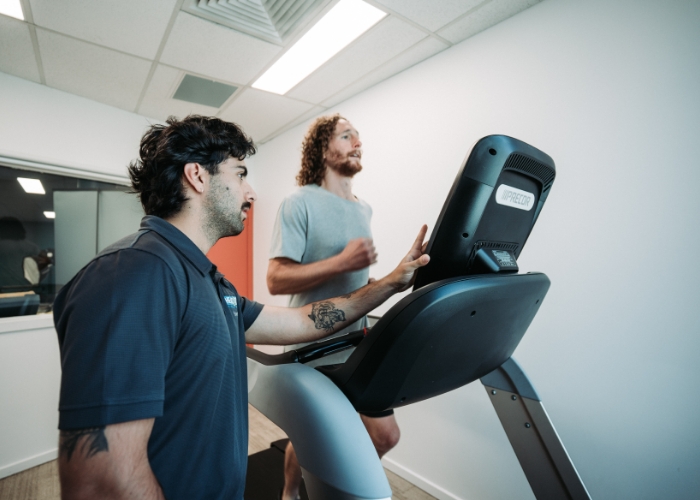
At Head2Toe, our physiotherapists and podiatrists are specially trained to assess gait using skilled observation, high-speed video, and (when helpful) strength measurements. From this we can diagnose gait issues, prescribe a personalised rehab and strength program, advise on footwear or orthotics, and coach running technique so you move more efficiently and confidently.
running-1
how-treat-bg

How We Treat It

1) Assess

  • History (injury, training load, footwear) and goals
  • Video gait analysis (walk/run), joint range, strength, balance, and movement control
  • Optional pressure/force profiling where indicated

2) Explain & Plan

  • Clear diagnosis of the gait issue (what, why, what to do)
  • Personalised plan with staged goals for 2-12 weeks

3) Intervene

  • Strength & conditioning: hips, calves, feet; plyometric progressions as appropriate
  • Mobility & control: targeted mobility, neuromuscular retraining, foot/ankle stiffness or laxity strategies
  • Technique coaching: cadence, foot strike, trunk/arm mechanics, pacing and surface selection
  • Footwear/orthotics: shoe selection, insoles/orthotics when indicated
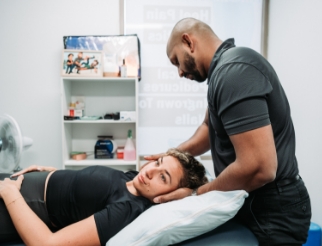
  • Manual therapy (as needed) to settle irritability and improve range

4) Progress & Re-test

  • Graded return-to-running/return-to-sport plan (load, intensity, terrain)
  • Re-capture video and key metrics at follow-ups; adjust the program based on objective change

5) Prevent & Perform

  • Ongoing strength “keeper” set, warm-up routine, and load-management rules so improvements stick and performance climbs
running-2

What to Expect in Your Appointment?

Before you arrive

  • Wear/bring runners you use most, any orthotics/insoles, and shorts/leggings (we’ll film your stride).
  • If you have scans or a training log, bring them along. E,g strava app

Your first visit (30 mins)

  1. Conversation & goals – injury history, training load, footwear habits, and what you want to get back to.
  2. Movement screen – range of motion, strength/endurance (hip, calf, foot), balance and control.
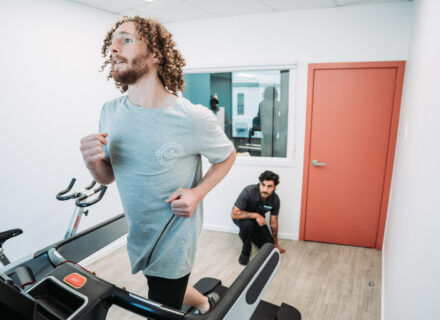
  3. Video gait analysis – walking and/or running captured from multiple angles; we look at cadence, foot strike/over-stride, step width, pelvic/hip/trunk mechanics, and pronation/supination.
  4. Live coaching trial – small changes (cadence, posture, foot strike) are tested on the spot to see what reduces pain or improves efficiency.
  5. Clear diagnosis & plan – we explain what’s driving your symptoms or inefficiency and outline a simple, staged plan.

What you leave with (today)

  • A personalised program: mobility, strength & conditioning (hips/calves/feet), and neuromuscular control.
  • Technique cues (e.g., cadence target, posture drills) and a graded return-to-running/sport
  • Footwear/orthotic advice where indicated.
  • A timeline for re-testing (usually in 2–4 weeks) so you can see objective progress.

Follow-ups

  • Short review sessions to re-film your gait, re-check metrics (strength, hop/calf tests, cadence), and progress load/technique.
  • Criterion-based progressions to ensure you return to training confidently and safely.

Highlight Patient Types

A running analysis is valuable for:

Runners with recurring injuries (shin splints, plantar fasciitis, ITB syndrome, knee pain, etc.), athletes aiming to improve performance and technique, beginners wanting to prevent injuries and learn proper running mechanics, or anyone who is considering orthotics or footwear changes.

running-3

Frequently Asked Questions

What is a running analysis?

A running analysis (or gait analysis) is a detailed assessment of the way that you move. At Head2Toe, our skilled physiotherapists and podiatrists, combine observation with high-speed video to evaluate your gait. This biomechanical analysis can then be used to improve gait efficiency, recommend appropriate footwear, and maximise performance.

Who should have a running analysis?

A running analysis is valuable for:

Runners with recurring injuries (shin splints, plantar fasciitis, ITB syndrome, knee pain, etc.), athletes aiming to improve performance and technique, beginners wanting to prevent injuries and learn proper running mechanics, or anyone who is considering orthotics or footwear changes.

What does the assessment involve?

During your session, your Head2Toe Physiotherapist or Podiatrist will take a thorough history of your training, injury history, and goals.

They will then

  1. Record and review your running on a treadmill/ground from multiple angles.
  2. Analyse biomechanics, muscle imbalances, and technique.
  3. Provide tailored recommendations on footwear, orthotics (if needed), strength programs, and running drills.
Do I need to prepare for the session?

Yes. Please:

  • Bring your usual running shoes
  • Wear comfortable running gear.
  • Be ready to run for a few minutes on a treadmill/ground at your normal training pace.
What happens after the analysis?

You will receive a clear breakdown of your results and a personalised management plan. Alongside your tailored injury rehbailitation guide, this may also include:
  • Specific strength and conditioning exercises
  • Running drills and technique coaching
  • Orthotics or footwear recommendations
  • Training load guidance to reduce injury risk and improve performance

Latest Blogs

Podiatrist in Moonee Ponds , Brunswick and Kew
Mar. 31, 26

Ten Signs You Need To See A Podiatrist

Many people ignore foot pain until it becomes serious. This can lead to long-term, complex ...

Learn More
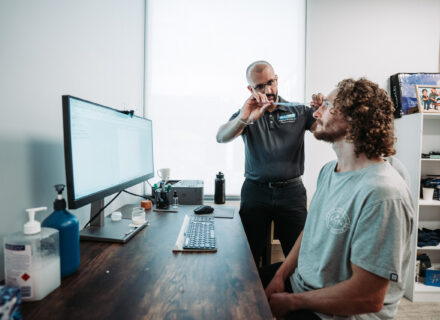
Ergonomic assessment for neck pain for office workers by physiotherapist.
Mar. 10, 26

How to relieve neck pain from sitting at a desk?

What Is Neck Pain? How Common Is it? Neck pain includes discomfort, stiffness, or soreness ...

Learn More
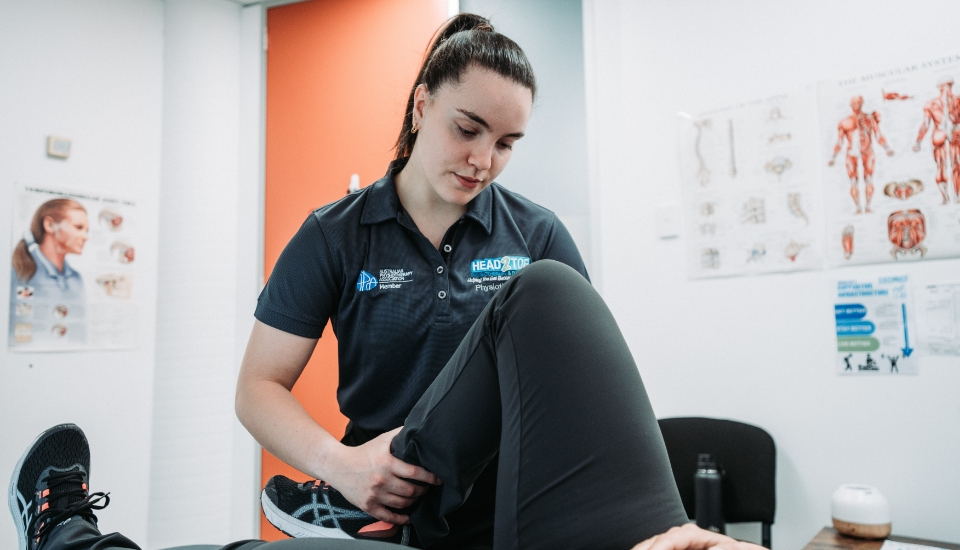
Strength testing of knee extensors
Feb. 16, 26

Strength Assessment: Objective Testing for Effective, Stronger Rehabilitation

If you’ve ever finished a round of physiotherapy feeling better but wondering whether you’re actually ...

Learn More
Head2Toe
4.8 star

Based on 200 reviews power by google

review us on google icon
pain-relife-program
google-review-section

What We Care For

Physiotherapy is the assessment, diagnosis and treatment of musculoskeletal injuries. Some of the conditions we treat in Melbourne include:

Contact Information
map-location
42 Pascoe Vale Road, Moonee Ponds 3039
map-location
Suite 1, Level 1, 30 Sydney Road Brunswick Victoria 3056 Australia
map-location
1407 Burke Road, Kew 3102

    Get In Touch

    Please provide your contact details (email or phone) as we cannot reply to emails coming via the website.