Oct. 20, 26
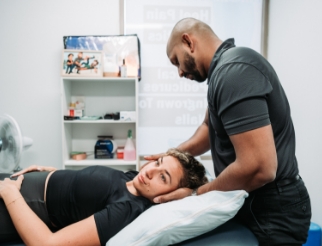
SIJ Pain or Lower Back Pain? How a Physio Assesses the Difference
Buttock or lower back pain can come from the SIJ, the spine or the hip. Here is how our physios tell them apart, and what treatment involves.
Learn More








Clear assessment. Evidence-based care. Safe recovery.
At Head2Toe, we provide physiotherapy assessment and management for concussion (mild traumatic brain injury) and for common headache conditions, including cervicogenic headaches, tension-type headaches, and migraines.While these conditions can sometimes coexist, they are assessed and treated as distinct clinical problems, each requiring a targeted and informed approach.

Symptoms can range from mild to severe and may include:
Concussions result from a sudden blow, jolt, or forceful impact that causes the brain to move rapidly inside the skull.
Common causes include:
Importantly, direct head impact is not always required. Whiplash-type forces alone can be sufficient to cause concussion.

While many people feel symptom improvement within a few days, neurological recovery typically takes 3–4 weeks.
Even if symptoms settle within the first 3–5 days:
Proper management reduces the risk of prolonged symptoms and repeat injury.

Comprehensive Assessment
Individualised Recovery Plan
Guidance on Rest & Activity
Ongoing Monitoring
Return to Learn, Work & Sport

Assessment and treatment of headache conditions
Headaches are common and often recurring. Physiotherapy can play an important role in managing headaches that are driven or influenced by the neck, muscles, posture, and nervous system.
We assess and treat headaches as a separate condition from concussion, unless a clear link is identified.

Headaches originating from the neck, often associated with:
Often described as a tight, pressure-like sensation:
While migraines are neurological in origin, physiotherapy can help manage:
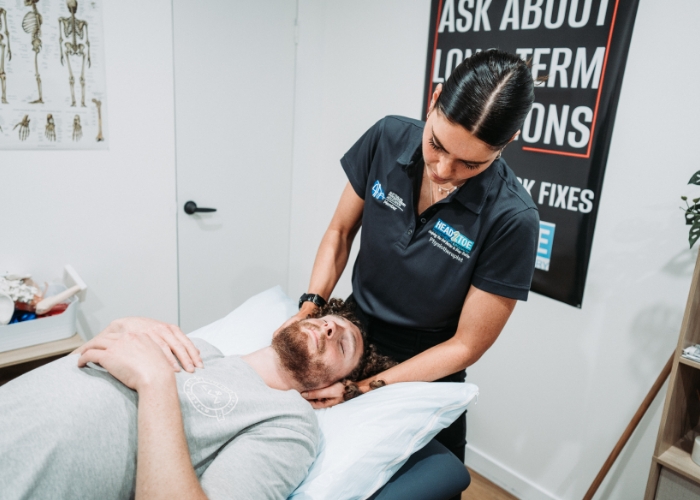

Treatment depends on headache type and contributing factors and may include:
Our aim is to reduce frequency, intensity, and impact on daily life.

We commonly work with:

A concussion is a mild traumatic brain injury caused by a bump, blow, or force to the head or body that disrupts brain function.
Initial rest (24–48 hours) is important, but prolonged rest can delay recovery. Gradual, guided activity is now best practice.
Most people recover within 7–14 days, but full neurological recovery takes longer. Early, appropriate management reduces prolonged symptoms.
Yes. Concussions are functional injuries and usually do not appear on CT or MRI.
Yes—especially cervicogenic and tension-type headaches, and as part of a broader migraine management plan.
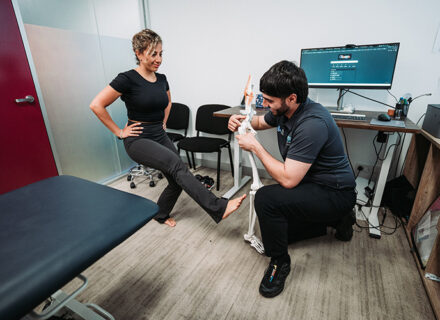
Buttock or lower back pain can come from the SIJ, the spine or the hip. Here is how our physios tell them apart, and what treatment involves.
Learn More
EPC plans (now called GP Chronic Condition Management Plans) give you up to 5 Medicare-subsidised physio or podiatry sessions each calendar year. Here's how they work at Head2Toe — eligibility, how the calendar-year allocation and carry-over rules work, claiming through Tyro, and answers to the most common questions.
Learn More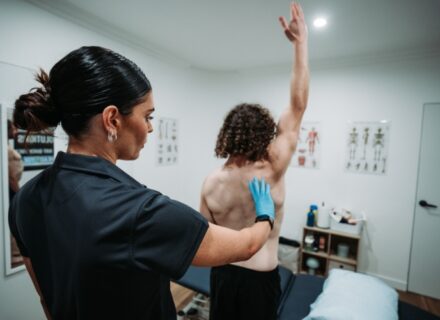
A physio’s guide to frozen shoulder (adhesive capsulitis) – symptoms, causes, the 3 stages, how long it lasts and treatment options.
Learn More
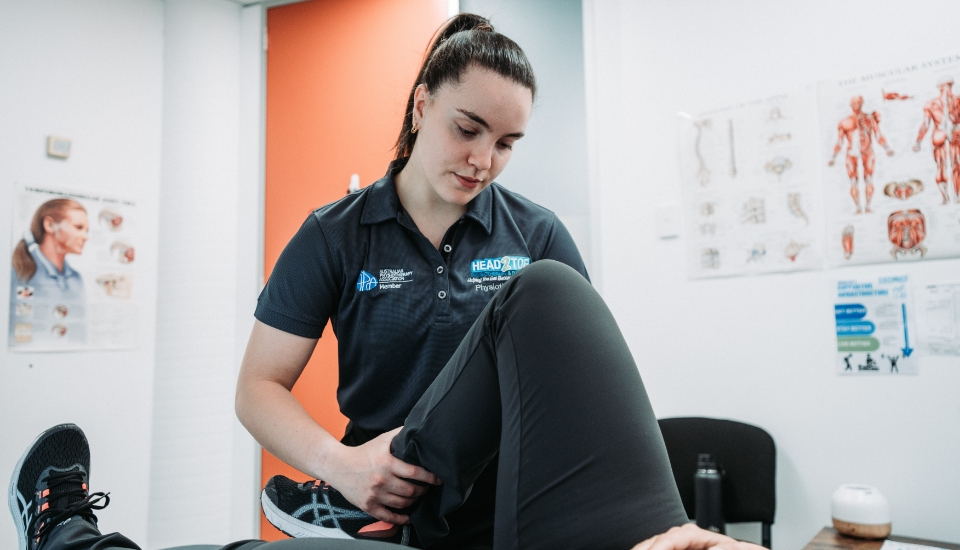
Physiotherapy is the assessment, diagnosis and treatment of musculoskeletal injuries. Some of the conditions we treat in Melbourne include:
Error: No feed with the ID 3 found.
Please go to the Instagram Feed settings page to create a feed.


 42 Pascoe Vale Road, Moonee Ponds 3039
Suite 1, Level 1, 30 Sydney Road Brunswick Victoria 3056 Australia
1407 Burke Road, Kew 3102
42 Pascoe Vale Road, Moonee Ponds 3039
Suite 1, Level 1, 30 Sydney Road Brunswick Victoria 3056 Australia
1407 Burke Road, Kew 3102